Longmont, CO · Boulder County
Hardwood Floor Water Damage Restoration in Longmont, COHardwood Floor Moisture Inspection & Flooded Hardwood Floor Cleanup
Hardwood Floor Water Damage Restoration in Longmont involves hardwood floor water extraction, hardwood floor mold prevention, and emergency floor water removal.
Answered 24/7
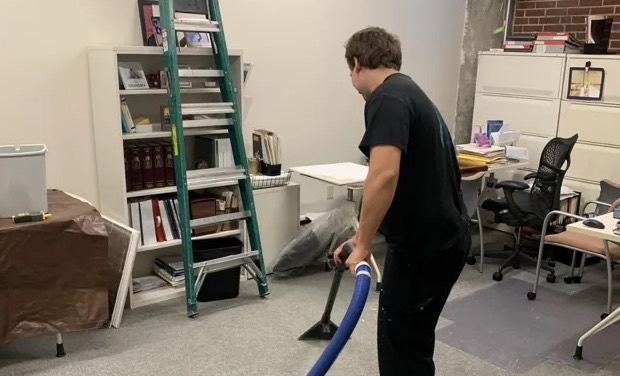
Get Hardwood Floor Water Damage Restoration Help in Longmont, Colorado
Water intrusion on hardwood floors in Longmont can quickly lead to irreversible damage like warping, cupping, and mold growth beneath the surface. The porous nature of wood absorbs moisture, compromising structural integrity and indoor air quality if not addressed correctly.
Addressing hardwood water damage repair in Longmont and nearby Niwot, Firestone and Frederick involves understanding how moisture interacts with home materials. Local water damage restoration pros in Longmont use industrial dehumidifiers and air movers to dry floors thoroughly, preventing secondary damage like staining or mold that can follow water events.
Hardwood Floor Water Damage Restoration Services in Longmont
Hardwood Floor Moisture Inspection
Specialized sensors measure moisture content in wood and subfloor. This data shows if drying succeeded or if more work is needed.
Flooded Hardwood Floor Cleanup
After a flood, dirt and residue are cleaned off the wood with gentle methods that protect the finish and grain.
Hardwood Floor Mold Prevention
Mold prevention involves creating dry conditions that inhibit mold. After drying, pros may apply antimicrobial agents to cleaned wood surfaces in Longmont as a preventative measure.
Hardwood Floor Water Extraction
Standing water on hardwood requires urgent removal. Pros extract water from between planks and along edges, where it often hides.
Wood Floor Warping Repair
Repairing warped floors involves techniques to flatten and secure boards. Local specialists assess if wood can be salvaged through controlled re-drying, sanding, and re-fastening.
Signs of Water Damage on Hardwood Floors in Longmont
Floorboard Separation
Individual boards pulling away from each other or from the wall molding. This separation is a direct result of wood floor moisture damage and swelling.
Gaps Between Floorboards
New or widening gaps between boards show the floor got wet and has dried unevenly.
Cupping or Crowning
Board edges are higher than the center, or the center is higher than edges. This distortion is a classic symptom of wood floor water damage needing correction.
Hardwood Floor Buckling
Notice raised edges or gaps between boards, indicating moisture expansion. Warped sections can become trip hazards and worsen without hardwood floor water damage restoration.
How Hardwood Floor Water Damage Restoration Works in Longmont
Step 1: 24/7 Emergency Response Initiation
Early work by water damage restoration pros begin the hardwood floor water damage restoration process to minimize the scope of the damage.
Step 2: Detailed Moisture Mapping
Every area of water damaged wood floor restoration requires precise moisture mapping to guide the drying and repair strategy.
Step 3: Advanced Structural Drying
High-capacity drying equipment is deployed to draw out moisture that causes hardwood floor buckling, stabilizing the wood's structure.
Step 4: Post-Drying Repair and Cleaning
Once dry, repairs for warping or minor damage are made, followed by a complete floor water damage cleanup to finish the job.
Common Causes of Hardwood Floor Water Damage in Longmont
Roof or Window Leaks
Water intrusion from above can travel through walls and ceilings, eventually pooling on hardwood floors.
Overflowing Bathtubs or Sinks
A bathroom flood from an unattended tub or clogged sink can quickly spread water into hallways and bedrooms.
Overzealous Mopping or Cleaning
Using too much water or steam cleaning on sealed hardwood can force moisture through microscopic finish cracks.
Appliance Leaks or Overflows
Slow leaks from dishwashers, washers, refrigerators or water heaters can soak nearby hardwood until it starts to buckle.
Both Residential & Commercial Hardwood Floor Water Damage Restoration
Residential Hardwood Floor Water Damage Restoration
Residential hardwood floor water damage often stems from kitchen leaks, bathroom overflows, or supply line failures. The pros in Longmont handle emergency floor water removal and subfloor repair to protect the structural integrity of the home and prevent mold issues.
Commercial Hardwood Floor Water Damage Restoration
Restaurants and clinics need sanitary restoration of their hardwood floors. Experts clean up the flooded floors, disinfect them and check moisture levels so the space meets health codes.
When to Attempt DIY vs. Call Local Pros for Hardwood Floor Water Damage Restoration
Monitor the area for changes like new gaps, raised edges, or odors in the days following a small water incident. Minor cupping may lessen as the wood dries evenly.
Cost Considerations for Hardwood Floor Water Damage Restoration in Longmont
In Longmont, the price for water damaged wood floor restoration varies with the severity of buckling, the complexity of the water extraction, and the necessary steps for mold prevention.
Moisture Remediation Time
The duration needed for thorough hardwood floor drying with professional equipment is a primary factor in determining the final service cost.
Warping and Buckling Repair
Correcting severe wood floor warping or buckling often involves specialized repair techniques that impact the labor and material costs.
Final Inspection and Documentation
A final moisture inspection and documentation for your records are part of the cost.
Does Insurance Cover Hardwood Floor Water Damage Restoration?
Insurance for subfloor repair and drying depends on your policy. The decision on reimbursement belongs to your insurance carrier, so confirm with them.
Why Professional Hardwood Floor Water Damage Restoration Matters in Longmont
Advanced Floor Drying Systems
Industrial air movers and dehumidifiers are deployed to dry hardwood floors and subfloors thoroughly, preventing secondary damage.
Precise Moisture Inspection
Meters find hidden moisture in planks and subfloor and confirm drying is complete.
Detailed Damage Documentation
Photos and moisture level logs are compiled to create a clear record of the damage for your reference.
24/7 Emergency Hardwood Floor Water Damage Restoration Response in Longmont
For assistance with flooded hardwood floors, contact the pros at (720) 902-6742. Quick action can help limit warping and mold growth, starting with emergency water extraction and drying.
Call Now (720) 902-6742Hardwood Floor Water Damage Restoration in Longmont and Other Areas Served
Other places served are listed below, each with its own page.
- Hardwood Floor Water Damage Restoration in Niwot
- Hardwood Floor Water Damage Restoration in Frederick
- Hardwood Floor Water Damage Restoration in Gunbarrel
- Hardwood Floor Water Damage Restoration in Erie
- Hardwood Floor Water Damage Restoration in Lyons
- Hardwood Floor Water Damage Restoration in Broomfield
- Hardwood Floor Water Damage Restoration in Nederland
- Hardwood Floor Water Damage Restoration in Federal Heights
Your Hardwood Floor Water Damage Restoration Questions Addressed
Is quick action crucial for wood floor moisture damage?
Yes, quick action limits how far water spreads, shortens drying and improves the chance of saving the floor.
How does the subfloor affect hardwood floor water damage repair?
A wet subfloor prolongs drying time and can lead to recurrent moisture issues in the hardwood above, making its assessment and repair a key part of the restoration.
What does emergency floor water removal involve?
Emergency floor water removal involves quickly extracting standing water with truck-mounted or portable extractors to minimize absorption and start the drying process.
Why is documenting water damage important for homeowners?
Documenting water damage with photos and moisture logs provides a clear record for your personal files and for any communication with your insurance provider regarding a claim.
What is included in flooded hardwood floor cleanup?
Flooded hardwood floor cleanup includes water extraction, thorough drying, cleaning of the wood surface to remove contaminants, and applying treatments to inhibit mold.