Longmont, CO · Boulder County
Attic Water Damage Restoration in Longmont, CORoof Leak Water Removal & Ceiling Water Damage Cleanup
Attic Water Damage Restoration in Longmont includes roof leak water removal, ceiling water damage cleanup and attic moisture inspection.
Answered 24/7
Get Help with Attic Water Damage Restoration in Longmont
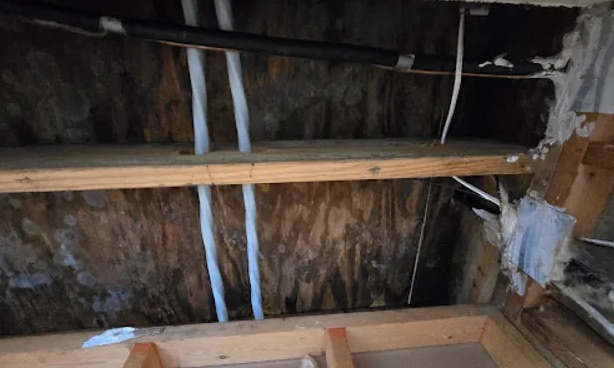
After a storm in Longmont, water can come into the attic through lifted shingles, damaged vents or a hole from a fallen limb. Getting it out quickly keeps the ceiling below intact.
Homeowners in Longmont can call (720) 902-6742 day or night when water is dripping from the ceiling. Service also covers Niwot, Firestone and Frederick, with the same attic inspection and drying process.
Detailed Attic Water Damage Restoration Solutions
Roof Leak Water Removal
A tarp can be placed over the damaged roof section to stop more rain from getting in while drying begins below.
Ceiling Water Damage Cleanup
Small ceiling stains can often be dried in place and sealed. Sagging, soft or crumbling drywall is replaced.
Attic Drying Services
Attic drying targets the wood framing and the ceiling below, with readings taken until both return to normal levels.
Emergency Attic Water Extraction
Water in the attic quickly becomes a ceiling problem. Fast extraction keeps the ceiling drywall below from sagging and falling.
Wet Attic Insulation Removal
Blown-in insulation that got wet clumps and packs down. It is vacuumed out of the affected area and replaced after the attic is dry.
When to Call for Attic Water Damage Restoration in Longmont
Rust on Nails or Vents
Rusted nail tips, vent flanges or metal straps in the attic point to repeated moisture.
Peeling Paint or Wallpaper
Paint that bubbles or peels on upstairs ceilings and walls often has water behind it.
Crumbling Drywall Tape
Ceiling drywall tape that bubbles, cracks or peels usually means water is soaking the seams.
High Energy Bills
Wet insulation loses its insulating value, so heating and cooling bills can rise after a leak.
How Attic Water Damage Restoration Works in Longmont
Step 1: Emergency Attic Water Extraction
Active drips are caught, pooled water is removed from decking and drywall tops, and power to wet fixtures is checked.
Step 2: Attic Moisture Inspection and Mapping
Meters and thermal cameras map wet insulation, wood and ceiling drywall from the leak point outward.
Step 3: Structural Drying and Dehumidification
Air movers and dehumidifiers dry rafters, joists and decking, with equipment set on safe footing.
Step 4: Final Verification and Documentation
Readings confirm the attic and ceiling are dry, and photos and logs are provided for insurance.
Common Causes of Attic Leaks in Longmont
Improperly Sealed Roof Penetrations
Gaps around vents, pipes and antennas that pass through the roof let water in when seals fail.
Roof Leaks and Damaged Shingles
Missing, cracked or lifted shingles let rain reach the roof deck and drip into the attic.
Condensation From Poor Ventilation
Warm, moist air from the house condenses on cold roof decking when the attic is poorly vented.
Storm Damage From Wind or Hail
Wind and hail can tear shingles or puncture the roof, letting rain in during the storm.
Attic Water Damage Restoration for All Property Types in Longmont
Residential Attic Water Damage Restoration
For townhomes and condos, an attic leak can cross into a neighbor's space. Fast drying and clear records help sort out repairs with the association.
Commercial Attic Water Damage Restoration
Property managers get photos and readings for each affected unit or suite, which simplifies insurance claims and roof repair planning.
Handling Attic Water Damage: DIY Risks vs. Pro Help
Putting a bucket under a drip and moving belongings is a good first step. Call local restoration specialists if the ceiling is stained, sagging or wet, or if the attic insulation is soaked.
Attic Water Damage Restoration Cost in Longmont, CO
The cost of attic water damage restoration in Longmont depends on how much of the attic got wet, whether insulation and ceiling drywall must come out, and how long drying takes.
Affected Attic Materials
Wet insulation, decking and ceiling drywall that must be removed add labor and disposal costs.
Duration Before Response
A leak found right away costs less to fix than one that soaked the attic for weeks.
Ceiling Repair Needs
Replacing, taping and painting ceiling drywall after drying adds to the total.
Does Insurance Cover Attic Water Damage Restoration?
Coverage for attic water damage restoration depends on the cause of the leak and your policy terms. The pros document the damage and drying, and your insurer decides what is covered.
Benefits of Local Pros for Attic Water Damage Restoration in Longmont
Roof Leak Location
The leak point is marked and photographed so the roofer can fix the right spot.
Structural Drying Expertise
Drying equipment is placed for attic framing and decking, where moisture is hardest to remove.
Advanced Moisture Detection
Moisture meters and thermal cameras find wet insulation, wood and drywall that look dry.
24/7 Emergency Attic Water Damage Restoration in Longmont
A wet attic soaks the ceiling below within hours. Call (720) 902-6742 for attic water damage restoration in Longmont at any time of the day or night.
Call Now (720) 902-6742Local Attic Water Damage Restoration Coverage Area
Each place listed below has its own page with local details.
- Attic Water Damage Restoration in Niwot
- Attic Water Damage Restoration in Firestone
- Attic Water Damage Restoration in Frederick
- Attic Water Damage Restoration in Gunbarrel
- Attic Water Damage Restoration in Erie
- Attic Water Damage Restoration in Lyons
- Attic Water Damage Restoration in Broomfield
- Attic Water Damage Restoration in Nederland
Attic Water Damage Restoration Information and Answers
How is attic water damage documented?
With photos of the leak point and damage, moisture readings, a list of removed materials and daily drying logs.
How long does the attic drying process take?
Often several days, depending on how wet the wood is, the attic temperature and how much insulation was removed.
What equipment is used for attic water removal?
Wet vacs, air movers, dehumidifiers, moisture meters and thermal cameras, plus bags and HEPA vacuums for insulation removal.
Does a roof leak always cause attic mold growth?
No. Mold is more likely when wood and insulation stay wet for days, so drying is the main way to prevent it.
Why is an attic moisture inspection important after a leak?
Water spreads along rafters and insulation away from the drip point. Meters find all of it, so nothing is left wet.