Northglenn Heights, CO
Mold Structural Damage Restoration in Northglenn Heights, COSubfloor Mold Remediation & Mold Damaged Flooring Removal
Mold Structural Damage Restoration in Northglenn Heights often includes mold damaged flooring removal, post-remediation structural drying and structural wood mold treatment.
Answered 24/7
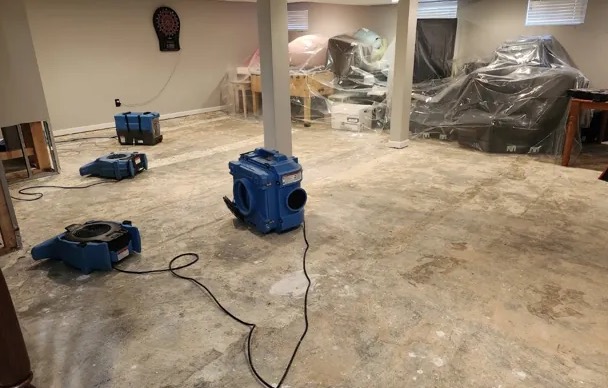
Professional Mold Structural Damage Restoration in Northglenn Heights, CO
In Northglenn Heights, treating mold damage early protects beams, joists and sheathing from sagging or failure. Structural drying after removal stabilizes the remaining materials.
For homes in the Northglenn Heights area, contaminated insulation and flooring are removed to protect the structure. The area's climate can influence moisture levels that promote fungal mold. Local mold remediation pros offer 24/7 emergency containment and cleanup.
Mold Structural Damage Restoration Services for Northglenn Heights
Subfloor Mold Remediation
For properties in Northglenn Heights, subfloor mold remediation is common. The pros follow a protocol to excavate damage and document conditions.
Mold Damaged Flooring Removal
Mold-damaged flooring removal is more than a demolition job. It involves identifying the moisture pathway, protecting unaffected areas, and preparing a clean substrate for whatever new flooring you choose.
Post-Remediation Structural Drying
Drying after remediation keeps mold from returning. The pros set up targeted drying systems to eliminate residual moisture.
Mold Infested Drywall Removal
Mold growth on drywall signals that moisture has penetrated the material. The removal process involves precise cutting, bagging the debris onsite, and thorough cleaning of the adjacent surfaces. The mold is removed, not just covered up.
HVAC Duct Mold Cleaning
Mold in air ducts spreads spores. Professional cleaning uses specialized brushes and vacuums to remove mold and apply treatment to inhibit regrowth.
Indicators You Require Mold Structural Damage Restoration
Flooring That Feels Spongy
Soft spots underfoot on laminate, tile, or wood floors often point to subfloor mold damage.
Recent Water Damage Stains
Discolored ceilings or walls from past leaks can create the perfect environment for mold.
Cracking or Splitting Wood Joints
As mold weakens structural wood, joints and supports may start to show physical stress cracks.
Condensation on Windows or Pipes
Constant high humidity from condensation promotes mold growth on nearby structural materials and insulation.
How Mold Structural Damage Restoration Works in Northglenn Heights
Step 1: Detailed Moisture Mapping
Using advanced sensors, the experts create a moisture map of all affected structural areas to guide the entire mold cleanup.
Step 2: HVAC Duct Mold Cleaning
If the HVAC system is contaminated, the ducts are cleaned to stop spores circulating.
Step 3: Contaminated Material Extraction
Mold-contaminated building materials like insulation and drywall are safely removed and disposed of according to local guidelines for mold abatement.
Step 4: Structural Integrity Restoration
Remaining wood and framing are then repaired and treated against new mold.
Common Causes of Mold Structural Damage
Flooding From Storms
Stormwater entering a home saturates porous building materials, requiring drying to prevent structural mold damage.
Foundation Water Seepage
Groundwater or poor drainage can wet subfloors and support posts, causing mold in crawl spaces and basements.
Poor Bathroom Ventilation
Shower steam with no exhaust fan leads to moisture buildup on walls and ceilings, encouraging mold.
Chronic Plumbing Leaks
Slow drips inside walls or under floors provide constant moisture, leading to extensive structural mold damage over time.
Both Residential and Commercial Mold Structural Damage Restoration in Northglenn Heights
Residential Mold Structural Damage Restoration
A residential mold inspection may reveal growth behind walls from slow leaks. The pros then remove drywall and treat structural wood to reach hidden mold.
Commercial Mold Structural Damage Restoration
Restaurants or hotels need discreet, efficient mold and mildew removal to protect reputation. Experts remove insulation and dry the structure with little disruption to guests or customers.
Calling Mold Remediation Pros vs. DIY for Mold Structural Damage Restoration in Northglenn Heights
A property owner can document visible damage by taking clear, dated photos of all affected areas for their insurance claim before any cleanup begins. Since coverage decisions belong entirely to the insurer, they should confirm policy specifics regarding mold structural damage restoration before authorizing any professional work to proceed.
Cost Considerations for Mold Structural Damage Restoration in Northglenn Heights
The cost of mold structural damage restoration in Northglenn Heights is shaped by the square footage affected and the severity of mold colonization. Materials like framing lumber and drywall also factor into the final estimate.
Structural Drying
Post-remediation structural drying duration and the number of air movers or dehumidifiers needed influence the overall timeline and cost.
Containment Level
Establishing negative air pressure and sealing off work zones adds to the project scope and required equipment.
Material Type
Costs differ between treating porous wood studs versus non-porous materials, as each requires specific mold removal and restoration approaches.
Does Insurance Cover Mold Structural Damage Restoration?
Whether a policy covers mold damage restoration hinges on the cause listed. The pros in Northglenn Heights provide detailed documentation of structural damage for a homeowner to submit to their insurer. Review your policy, since your insurer makes all payment decisions.
Why Northglenn Heights Properties Need Local Pros for Mold Structural Damage Restoration
24/7 Emergency Response
Help is available to set up emergency mold containment and prevent further structural damage spread.
Structural Damage Focus
The work prioritizes assessing and addressing compromised load-bearing elements and building materials, not just surface mold cleanup.
Health-Safe Procedures
Containment and air filtration during mold infested drywall removal help protect indoor air quality in your home.
Round-the-Clock Emergency Mold Structural Damage Restoration for Northglenn Heights
If black mold is discovered on structural elements like studs or floor joists, contact (720) 902-6742 for 24/7 assistance. Emergency containment and remediation keep wood and drywall from deteriorating further.
Call Now (720) 902-6742Mold Structural Damage Restoration in Northglenn Heights and Other Areas Served
Homes and businesses throughout Northglenn Heights can get mold contaminated insulation removal and subfloor mold remediation as part of mold structural damage restoration.
- Mold Structural Damage Restoration in Aurora
- Mold Structural Damage Restoration in Berthoud
- Mold Structural Damage Restoration in Brighton
- Mold Structural Damage Restoration in Castle Pines
- Mold Structural Damage Restoration in Castle Rock
- Mold Structural Damage Restoration in Centennial
- Mold Structural Damage Restoration in Central Park
- Mold Structural Damage Restoration in Columbine
Mold Structural Damage Restoration Common Questions Answered
How does black mold removal differ from regular mold cleanup?
Black mold, or Stachybotrys, often indicates prolonged moisture and may require more stringent containment and removal protocols due to potential health concerns, but the structural repair steps are similar.
When is HVAC duct mold cleaning recommended?
If an inspection finds mold in the ductwork, it needs to be cleaned so the system does not spread spores through the home.
Does mold testing happen before and after restoration?
Pre-testing can identify spore types and levels. Testing after remediation is standard to confirm cleanup and drying worked.
Is mold damaged flooring removal part of structural repair?
Yes, moldy wood or laminate flooring is often removed to reach and treat the subfloor.
Can structural wood mold treatment save damaged beams?
If the damage is only on the surface, cleaning and antimicrobial treatment can often save the wood. Badly weakened load-bearing members may need to be reinforced or replaced by a contractor.