Northglenn Heights, CO
Ceiling Mold Removal in Northglenn Heights, COCeiling Mold Remediation & Ceiling Mold Testing
Ceiling Mold Removal includes ceiling mold cleanup, testing, and prevention in Northglenn Heights.
Answered 24/7
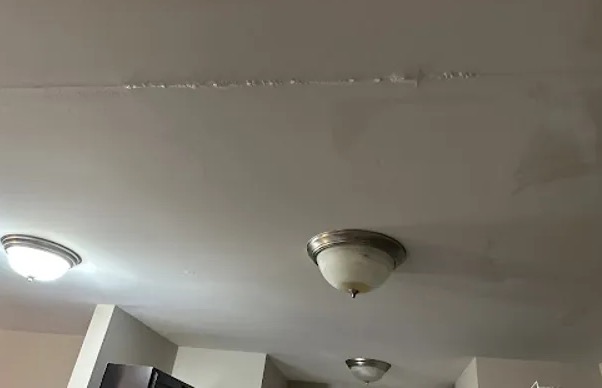
Reliable Ceiling Mold Removal in the Northglenn Heights Area
Emergency ceiling mold removal in Northglenn Heights is available around the clock. Mold in ceiling removal cost factors include the size and materials involved. Quick action by mold removal specialists limits secondary damage.
For ceiling mold in Northglenn Heights, the pros provide mold removal. Services include ceiling mold testing and remediation. They serve the community with 24/7 availability.
Ceiling Mold Removal Services in Northglenn Heights
Ceiling Mold Remediation
Complete ceiling mold remediation addresses every aspect of fungal contamination. The pros use specialized equipment like HEPA scrubbers to achieve IICRC-standard results. Thorough remediation restores indoor air quality for residents in the Northglenn Heights area.
Ceiling Mold Testing
Before and after ceiling mold removal, ceiling mold testing provides objective evidence. The pros document results homeowners can share with insurers. This adds clarity to the remediation process.
Emergency Ceiling Mold Removal
Emergency ceiling mold removal focuses on rapid containment and drying. The pros in Northglenn Heights stop the moisture source and remove contaminated materials. A professional service can limit the remediation scope.
Ceiling Mold Cleanup
Ceiling mold cleanup targets hidden contamination beyond surface wiping. In Northglenn Heights, the pros clean nearby HVAC ducts and light fixtures. This helps prevent spore circulation for a cleaner home after ceiling mold removal.
Ceiling Mold Inspection
A ceiling mold inspection finds all affected areas in Northglenn Heights, including hidden growth. The pros use moisture meters and thermal imaging to assess the scope. This step helps prevent incomplete removal.
When to Consider Ceiling Mold Removal in Northglenn Heights
Discolored or Stained Ceiling Tiles
Discoloration on acoustic or drop ceiling tiles is a clear sign of moisture issues and potential ceiling mold cleanup.
Dampness or Moisture on Ceiling Surface
Feeling dampness or seeing moisture beads on a ceiling surface is a direct warning sign of active mold conditions.
Condensation on Windows or Walls
High indoor humidity causing condensation can also lead to moisture accumulation on ceilings, fostering mold growth.
History of Roof or Plumbing Leaks
Past leaks from roofs or upstairs plumbing are a major cause of recurring ceiling mold problems needing expert removal.
How Ceiling Mold Removal Works in Northglenn Heights
Step 1: Comprehensive Ceiling Mold Testing
The process may start with professional ceiling mold testing to determine spore types and concentrations. This data informs the specific remediation strategy needed.
Step 2: Safety Preparation and Personal Protection
The pros set up safety protocols, including protective gear and sealing the work zone. This protects both workers and the building's occupants during mold on ceiling removal.
Step 3: Water Damage Ceiling Mold Remediation
Any lingering moisture from water damage is addressed with drying equipment. Then, mold-damaged ceiling sections are remediated or replaced as necessary.
Step 4: Air Scrubbing and Odor Elimination
Air scrubbers run continuously to purify the air of spores and musty odors. This step is crucial for restoring normal indoor air quality post-remediation.
Common Causes of Ceiling Mold in Northglenn Heights
Leaking Windows or Improper Flashing
Water intrusion around windows or from faulty flashing can travel into wall cavities and up to the ceiling area.
Air Conditioner Condensate Drain Leaks
A clogged or disconnected AC drain line can cause water to overflow and leak through the ceiling, fostering mold.
Condensation From High Indoor Humidity
High humidity levels cause condensation to form on cooler ceiling surfaces, providing the dampness mold spores need.
Past Flooding or Water Intrusion
Previous flooding events can leave residual moisture in ceiling cavities, leading to delayed ceiling mold remediation needs.
Both Residential & Commercial Ceiling Mold Removal in Northglenn Heights
Residential Ceiling Mold Removal
For homes, toxic mold removal from ceilings is critical for indoor air quality. The work includes ceiling mold testing to confirm clearance after remediation, ensuring the home is safe for residents.
Commercial Ceiling Mold Removal
Ceiling mold in restaurants or hotels poses significant health and reputation risks. Emergency ceiling mold removal services are available to quickly contain and remediate the issue, following strict protocols for public spaces.
When to Hire Mold Remediation Pros for Ceiling Mold Removal in Northglenn Heights
Improving ventilation helps prevent new mold. Run the bathroom exhaust fan during and after showers. If mold returns, a deeper moisture problem likely needs professional inspection.
Understanding Ceiling Mold Removal Costs in Northglenn Heights
The price for ceiling mold remediation reflects the inspection results, such as spore counts from testing. Required methods, ranging from surface cleaning to complete ceiling replacement, are major factors determining cost.
Ceiling Material and Accessibility
Removing mold from textured popcorn ceilings or high vaulted ceilings often requires more time and careful techniques than working on flat drywall.
Required Containment Measures
Sealing off the work area with plastic sheeting and using negative air machines to prevent spore spread are essential steps that factor into pricing.
Type of Mold Present
Identifying black mold or other toxic varieties necessitates stricter safety protocols and specialized disposal methods, which can increase the overall project cost.
Does Insurance Cover Ceiling Mold Removal?
For water damage ceiling mold, insurers may cover remediation if the water damage is a covered claim. Coverage often excludes mold from long-term humidity. Local experts document the damage for adjuster submission.
Benefits of Local Pros for Ceiling Mold Removal in Northglenn Heights
Moisture Source Identification
Addressing the root cause of water damage ceiling mold is a priority to prevent the issue from recurring after the cleanup is complete.
Detailed Documentation for Claims
Photos, moisture maps, and notes are compiled to document the damage for your review and potential submission to your insurance company.
Safe Black Mold Handling
Specialized procedures and personal protective equipment are used for black mold on ceiling removal to protect your home's occupants during the work.
24-Hour Emergency Ceiling Mold Removal for Northglenn Heights
Suspected toxic mold in your ceiling requires an urgent professional assessment. Do not disturb the area. For emergency ceiling mold removal services, you can initiate contact by dialing (720) 902-6742.
Call Now (720) 902-6742Ceiling Mold Removal Service Area Including Northglenn Heights, CO
Each place listed below has its own page with local details.
Ceiling Mold Removal FAQs
Is toxic mold removal for ceilings a different process?
Yes, removal of Stachybotrys (black mold) or other toxic varieties requires stricter containment, enhanced personal protective equipment, and often more aggressive disposal protocols to ensure safety.
What causes water damage ceiling mold to grow?
Mold grows on ceilings due to excess moisture, commonly from roof leaks, plumbing issues in upstairs bathrooms, condensation from poor attic ventilation, or lingering humidity after a spill.
Why is ceiling mold prevention important after removal?
Preventing regrowth protects your investment in remediation and your indoor air quality. It involves fixing leaks, improving ventilation, and controlling indoor humidity levels below 60%.
Are there health risks from mold on ceiling removal attempts?
Disturbing mold without proper containment can release a high concentration of spores into the air, potentially causing allergic reactions or respiratory issues for occupants.
What happens during a ceiling mold inspection?
An inspector visually assesses the growth, may use moisture meters to find dampness, and could recommend air or surface sampling to identify the mold type and spore concentration.