Goss Grove, CO · Boulder County
Ceiling Water Damage Restoration in Goss Grove, COCeiling Leak Water Cleanup & Wet Ceiling Drywall Removal
Ceiling Water Damage Restoration in Goss Grove handles ceiling leak water cleanup, wet ceiling drywall removal, and ceiling mold prevention.
Answered 24/7
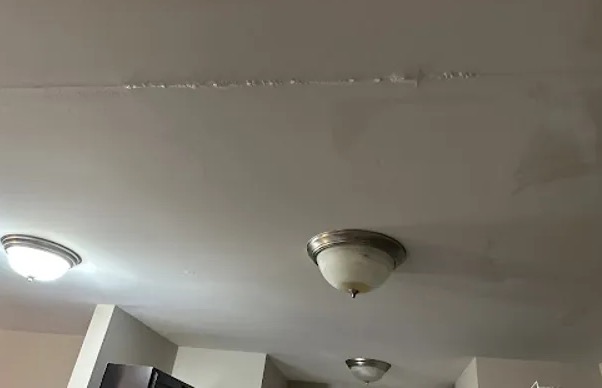
Expert Ceiling Water Damage Restoration for Goss Grove
Untreated ceiling water damage in Goss Grove can lead to extensive mold cleanup needs as spores spread into HVAC systems.
For homes in Goss Grove, part of Boulder, and nearby University Hill, Boulder Junction and Martin Acres, a ceiling leak needs the water removed and the drywall and joists dried. Moisture readings show how far the water spread above the stain.
Complete Ceiling Water Damage Restoration Solutions for Goss Grove
Ceiling Leak Water Cleanup
Water dripping from a ceiling requires fast action. The water restoration pros extract standing water and begin drying with commercial-grade equipment to prevent further damage to the structure overhead.
Wet Ceiling Drywall Removal
Wet drywall in a ceiling can sag and eventually collapse. Careful cutting keeps dust down and leaves a clean edge for repair.
Emergency Ceiling Water Extraction
When water is actively coming through a ceiling, emergency extraction is the first line of defense.
Ceiling Drying Services
The pros deploy industrial air movers and dehumidifiers to create airflow and remove moisture from the air and building materials. It prevents warping and mold.
Ceiling Water Stain Removal
Water stains on ceilings remain after a leak dries. The pros in Goss Grove apply specialized cleaners to remove these marks, typically during final repairs after drying is complete.
Warning Signs You Need Ceiling Water Damage Restoration in Goss Grove
Cracking Along Ceiling Corners
Cracks where walls meet the ceiling can be caused by moisture movement. These require assessment as part of ceiling water damage repair.
Soft Spots to the Touch
A ceiling that feels soft or spongy when pressed is waterlogged. Wet ceiling repair by the pros are urgently needed.
Condensation on Light Fixtures
Moisture collecting inside or around a ceiling light fixture is dangerous. It points to high humidity in the ceiling.
Peeling Paint or Texture
Paint or popcorn texture peeling from your ceiling is a moisture sign. This requires inspection to assess the extent of water damage.
How Ceiling Water Damage Restoration Works in Goss Grove
Step 1: Initial Assessment and Safety Securing
First, the experts assess the damage and secure the area for safety, including electrical concerns.
Step 2: Water Mitigation and Extraction
Using submersible pumps and extractors, they perform emergency water extraction from the ceiling cavity. This stops the damage from spreading.
Step 3: Controlled Drying and Dehumidification
A strategic array of drying equipment creates a controlled environment to evaporate moisture. This controlled ceiling drying process safeguards against secondary mold damage.
Step 4: Sanitization and Mold Prevention
Affected structural members are cleaned and treated with antimicrobial agents. This sanitization is a key part of ceiling mold cleanup and long-term prevention.
Common Causes of Ceiling Water Damage
Roof Leaks From Storms
Damaged shingles or flashing from wind and rain allow water inside. A roof leak lets water into the ceiling.
Poor Attic Ventilation
Inadequate attic ventilation traps heat and moisture against the roof deck. This condensation can drip onto insulation and ceiling drywall below.
Bathroom Vent Fan Exhaust
A bathroom fan that vents into the attic, not outside, deposits moist air. This promotes mold growth on ceiling materials and framing over time.
Failed Appliance Connections
A leaking washing machine, water heater, or ice maker line upstairs can fail. The water often travels along floor joists to damage the ceiling underneath.
Home and Office Ceiling Water Damage Restoration in Goss Grove
Residential Ceiling Water Damage Restoration
The pros in Goss Grove coordinate drying, removal of damaged materials, and reconstruction. Their detailed moisture inspection report helps provide information to the insurer.
Commercial Ceiling Water Damage Restoration
The experts implement containment strategies to limit the spread, performing ceiling water damage repair with minimal disruption to other tenants. They provide clear documentation to assist with liability determinations.
Ceiling Water Damage Restoration vs. DIY: When to Call Water Restoration Pros
After a storm, homeowners can visually inspect an attic for obvious water entry like wet insulation or drips. Taking photos helps with documentation. Determining the full moisture extent behind walls and in ceiling cavities requires professional moisture detection tools.
Factors Affecting Ceiling Water Damage Restoration Pricing
Complexity from multi-level water travel and the type of ceiling material, such as textured drywall or popcorn, affects ceiling water damage repair pricing in Goss Grove. The presence of pre-existing mold or asbestos can add necessary containment steps.
Equipment Requirements
The number of air movers, dehumidifiers, and moisture meters needed for ceiling drying services scales with the size and severity of the leak.
Mold Prevention Needs
If moisture detection ceiling inspection finds elevated humidity, antimicrobial treatments and added drying for ceiling mold prevention become necessary cost components.
Emergency Service Timing
Emergency ceiling water extraction calls outside standard business hours may involve premium rates for after-hours work to halt worsening damage.
Does Insurance Cover Ceiling Water Damage Restoration?
Many homeowner's policies cover sudden ceiling water damage from events like a burst pipe. The pros document all damage with photos and moisture readings for the claim. Coverage decisions belong to the insurer, so review policy details.
Reasons to Trust Local Pros with Your Ceiling Damage
Root Cause Consideration
While performing roof leak ceiling water removal, pros can advise on potential external causes to discuss with a roofer before interior repairs are finalized.
Controlled Demolition Approach
Precise wet ceiling drywall removal preserves undamaged materials and allows for targeted drying of wooden framing, reducing overall repair scope and cost.
Mold Prevention Focus
Applying EPA-registered antimicrobials during the ceiling drying services inhibits mold growth on ceiling surfaces and inside wall cavities where spores can thrive.
Emergency Ceiling Water Damage Restoration Available Now
If water is dripping or pooling from overhead, act now. Get emergency help from the pros for ceiling drying services by calling (720) 902-6742 anytime.
Call Now (720) 902-6742Local Ceiling Water Damage Restoration Coverage in Boulder County
The places below are also served, and each one has its own page.
- Ceiling Water Damage Restoration in University Hill
- Ceiling Water Damage Restoration in Boulder Junction
- Ceiling Water Damage Restoration in Martin Acres
- Ceiling Water Damage Restoration in Table Mesa
- Ceiling Water Damage Restoration in Holiday
- Ceiling Water Damage Restoration in Dakota Ridge
- Ceiling Water Damage Restoration in Gunbarrel
- Ceiling Water Damage Restoration in Superior
Frequently Asked Ceiling Water Damage Restoration Questions
Can ceiling water damage lead to structural problems?
Prolonged wetness can weaken wooden ceiling joists and rafters, potentially leading to sagging or compromised integrity. Proper drying of these structural elements is a key part of restoration.
What should I do while waiting for ceiling water damage restoration pros?
If safe, place buckets under active drips, move furniture and electronics out of the area, and avoid touching sagging drywall. Do not attempt electrical repairs near the water.
Is wet ceiling drywall removal always necessary after a leak?
Not always; if caught early and dried from both sides, drywall can sometimes be saved. However, sagging, soft spots, or contamination typically require removal and replacement.
How does ceiling mold prevention work during restoration?
After drying, the pros apply EPA-registered antimicrobial agents to cleaned ceiling surfaces and cavity framing to inhibit spore germination and mold in the previously wet environment.
How is ceiling leak water removal different from floor water removal?
Overhead work requires special equipment for extraction and drying, often involves attic access, and carries the added risk of material collapse, demanding careful safety protocols.