Boulder, CO · Boulder County
Water Leak Detection in Boulder, COSlab Leak Detection & Pipe Leak Detection
Water Leak Detection in Boulder covers hidden water leak detection, slab leak detection and thermal imaging leak detection.
Answered 24/7
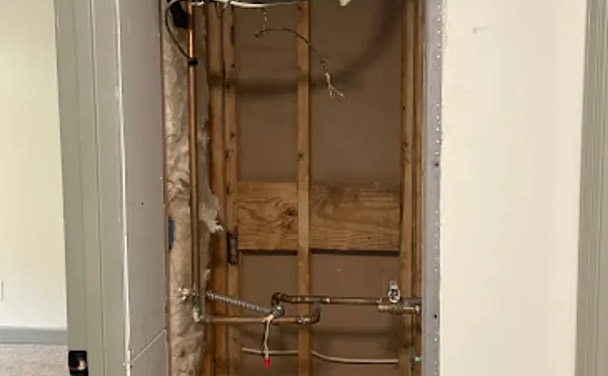
Expert Water Leak Detection Available in Boulder
In Boulder, leak detection handles both sudden emergencies like burst pipes and slow, hidden leaks, with whole house checks available to catch problems early.
In Boulder and nearby Goss Grove, University Hill and Boulder Junction, local pros use thermal cameras and other tools to find leaks in slabs, pipes and walls. Call (720) 902-6742 24/7 for water leak detection in Boulder.
Water Leak Detection Services in Boulder
Slab Leak Detection
The pros find leaks in water pipes that run below a home's concrete slab.
Pipe Leak Detection
Pipe leak detection locates failures in both supply and drain lines throughout a property's plumbing system.
Thermal Imaging Leak Detection
By detecting temperature variations, thermal imaging leak identification spots cold spots from evaporating moisture or warm spots from leaking hot water lines.
Whole House Leak Detection
A thorough whole house leak detection survey is recommended when moisture issues are widespread or the source is unclear.
Water Meter Leak Detection
With all water off, the water meter is checked for movement, which shows whether a hidden leak is running.
Symptoms That Require Water Leak Detection in Boulder
Water Pooling in the Yard
Unexplained soggy patches, lush grass spots, or standing water in your landscaping suggest an outdoor line leak.
Constantly Running Toilet
A toilet that refills on its own or makes a continuous hissing sound may have a hidden leak.
Increased Humidity in Rooms
The air in a specific room feels persistently muggy or window condensation is excessive, hinting at moisture intrusion.
Musty Odors and Mold Growth
A persistent earthy smell or visible mold spots can signal hidden moisture from an undetected leak.
How Water Leak Detection Works in Boulder
Step 1: Initial Assessment and Consultation
The process begins with a discussion of the signs you've observed and a review of the home's plumbing history to narrow the search area.
Step 2: Non-Invasive Leak Detection Scan
Local pros scan walls and floors with thermal cameras for temperature changes that point to water.
Step 3: Acoustic and Pressure Testing
Specialized listening devices and pressure gauges are employed to pinpoint the exact sound or pressure drop associated with the hidden water leak.
Step 4: Verification and Documentation
The suspected leak location is verified, and moisture readings and photos are documented for your records and potential insurance claim review.
Frequent Leak Sources Identified by Water Leak Detection
Root Intrusion Into Lines
Tree roots seek moisture and can infiltrate underground sewer or water lines, cracking pipes and causing major blockages and leaks.
Corroded or Aging Pipes
Over time, metal pipes corrode and weaken, while plastic pipes can become brittle, leading to pinhole leaks or bursts.
Freeze and Thaw Cycles
Water inside pipes expands when it freezes, creating pressure that can crack pipes, with leaks appearing during the thaw.
High Water Pressure Stress
Excessively high water pressure strains pipe joints and connections, eventually causing failures and slow leaks within walls.
Water Leak Detection for Homes and Businesses in Boulder
Residential Water Leak Detection
For homes on concrete slabs, finding the exact leak location means the floor is opened in one small spot instead of several.
Commercial Water Leak Detection
In office buildings or retail spaces, slab leaks can go unnoticed until flooring fails or utility costs soar. Professional leak detection for businesses identifies these hidden issues before they cause major operational and financial impacts.
Water Leak Detection: Professional Help vs. DIY
When the house is quiet and all water is off, listen near walls and floors for running or dripping. That tells you there is a problem, but finding the exact spot takes listening equipment.
Water Leak Detection Cost Factors in Boulder
Scope is a primary cost factor; a whole house leak detection survey inspecting all plumbing lines will naturally be more involved than checking a single fixture for a suspected drip.
Property Size
A whole house leak detection survey for a larger home involves more plumbing lines and potential points to inspect thoroughly.
Confirmation Needs
Some situations require multiple methods to confirm a leak's exact source, which can extend the diagnostic phase of the work.
Follow-Up Documentation
Detailed moisture readings and photo documentation for your records can add to the cost.
Does Insurance Cover Water Leak Detection?
Emergency leak detection following a sudden incident may be a covered service under many homeowners policies. The key is the cause: accidental discharge is usually covered, pre-existing damage is not.
Why Choose Local Pros in Boulder for Water Leak Detection
Comprehensive Plumbing Assessment
A whole house leak detection check evaluates the entire system, helping to identify multiple potential issues or confirm a single leak source.
Clear Source Identification
Pros find exactly where the water is coming from, which has to happen before any drying or repair.
Methodical Process
Pros work in a logical order, from the water meter to individual fixtures, to isolate the leak.
Around-the-Clock Water Leak Detection in Boulder
Emergency situations like a sudden loss of water pressure or visible pooling require professional leak detection. Get help from the pros by calling (720) 902-6742 at any hour.
Call Now (720) 902-6742Areas Served for Water Leak Detection Near Boulder
In Boulder and neighboring locations such as Goss Grove, University Hill and Boulder Junction, leak detection uses listening equipment and thermal imaging to find leaks.
Common Water Leak Detection Questions Answered
Can water leaks be found without tearing out walls?
Yes, non-invasive methods like thermal imaging leak detection and acoustic surveys are designed to locate many hidden leaks without destructive exploration, preserving your home's finishes.
How does slab leak detection work?
Slab leak detection involves methods such as acoustic listening equipment or thermal cameras to pinpoint leaks in pipes running beneath a home's concrete foundation slab, avoiding unnecessary concrete breaking.
Why is thermal imaging used for leak detection?
Thermal imaging detects temperature variations caused by moisture; cooler wet spots often show up against warmer dry surfaces, allowing visual identification of leak areas behind walls or ceilings.
How does acoustic water leak detection function?
Sensitive microphones pick up the sound of water escaping a pipe, which helps find the exact spot through walls or soil.
What happens after you find the leak?
After leak location, the water leak detection pros document the source with photos and readings. This information guides the next steps for any necessary water damage drying, cleanup, or plumbing repair.