Westminster Hills, CO
Attic Water Damage Restoration in Westminster Hills, COAttic Mold Prevention & Attic Drying Services
Attic Water Damage Restoration in Westminster Hills runs from roof leak water removal and attic leak water cleanup to attic drying services.
Answered 24/7
Get Help with Attic Water Damage Restoration in Westminster Hills
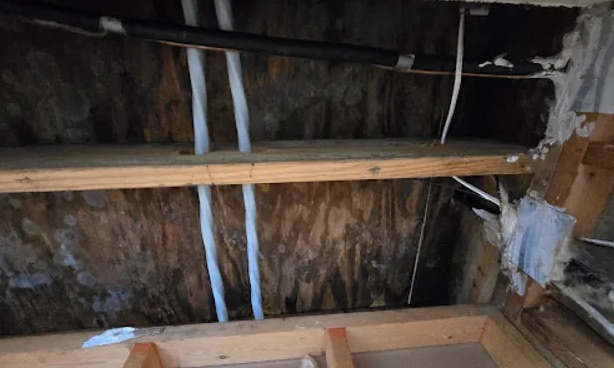
Attic Water Damage Restoration in Westminster Hills usually involves two spaces: the attic and the room below it. Water does not stop at the attic floor; it soaks into the ceiling drywall and sometimes the walls.
Detailed Attic Water Damage Restoration Solutions
Attic Mold Prevention
Drying wet wood quickly is the main way to limit microbial growth in an attic. Decking and rafters that stayed damp can be treated once dry.
Attic Drying Services
Air movers and dehumidifiers dry rafters, joists and roof decking. Attic heat speeds drying in summer, while cooler months need more dehumidification.
Attic Leak Water Cleanup
Leak cleanup in an attic means working between joists and around ducts, wiring and insulation, removing water from every spot it pooled.
Ceiling Water Damage Cleanup
Damaged ceiling drywall below the attic is removed, the cavity is dried, and the ceiling is ready for patching once readings are normal.
Attic Moisture Inspection
An inspection shows how far the water spread from the leak point, which decides what is dried in place and what is removed.
Signs of Attic Water Damage in Westminster Hills Homes
Sagging or Bowed Roof Decking
Roof decking that sags or bows between rafters may be soaked or starting to rot.
Active Leak During Rain
Water dripping into the attic during rain shows an active roof leak that needs fixing and drying.
Rust on Nails or Vents
Rusted nail tips, vent flanges or metal straps in the attic point to repeated moisture.
High Energy Bills
Wet insulation loses its insulating value, so heating and cooling bills can rise after a leak.
How Attic Water Damage Restoration Works in Westminster Hills
Step 1: First Call and Inspection
The pros check the attic and ceiling, take photos and note where the water entered the attic.
Step 2: Bulk Water and Debris Removal
Standing water, wet insulation and fallen drywall are removed from the attic and room below.
Step 3: Drying and Monitoring
Readings are taken daily, and equipment is adjusted until every wet material is dry.
Step 4: Detailed Reporting for Insurance
A summary of the damage, the materials removed and the drying results is prepared for your claim.
Frequent Origins of Attic Flooding
Failing Roof Valley or Flashing
Worn flashing around valleys, chimneys and skylights lets water run into the attic.
Overflow From Bathroom Exhaust Fans
Bathroom fans that vent into the attic, or have disconnected ducts, release moisture onto the decking.
Storm Damage From Wind or Hail
Wind and hail can tear shingles or puncture the roof, letting rain in during the storm.
Ice Dam Formation on Roof
Ice dams at the roof edge force melting snow back under the shingles and into the attic.
Attic Water Damage Restoration for All Property Types in Westminster Hills
Residential Attic Water Damage Restoration
At home, attic leaks usually show up as a stain on a bedroom or hallway ceiling. The attic is dried, wet insulation removed and the ceiling below repaired or dried in place.
Commercial Attic Water Damage Restoration
In commercial buildings, water above a drop ceiling can soak tiles, wiring and insulation across several rooms. Affected tiles are removed and the space above them is dried.
When Attic Water Removal Requires Local Pros
Never step between attic joists, since the ceiling drywall will not hold your weight. If water is pooling up there, call (720) 902-6742 instead of trying to reach it yourself.
Cost Considerations for Attic Water Damage Restoration Work
An attic leak caught after the first storm costs less to fix in Westminster Hills than one that soaked insulation and decking for a whole season.
Required Drying Time
Dense wood framing can take several days to dry, adding equipment time.
Affected Attic Materials
Wet insulation, decking and ceiling drywall that must be removed add labor and disposal costs.
Size and Accessibility
Low, tight attics take longer to work in than tall attics with easy access.
Does Insurance Cover Attic Water Damage Restoration?
Take photos of the ceiling, the attic and any storm damage on the roof before cleanup starts. Keep receipts for tarping and emergency drying.
The Value of Local Attic Water Damage Restoration Experts
Wet Insulation Handling
Wet insulation is bagged and removed carefully, keeping debris out of the living space.
Industry Drying Standards
Drying follows industry water damage standards, with readings taken at each visit.
Ceiling Damage Mitigation
Sagging ceiling drywall is drained and removed safely before it can fall.
Emergency Attic Water Removal Available Now
A wet attic soaks the ceiling below within hours. Call (720) 902-6742 for attic water damage restoration in Westminster Hills at any time of the day or night.
Call Now (720) 902-6742Local Attic Water Damage Restoration Coverage Area
Help with attic water damage restoration is available across Westminster Hills, including attic leak water cleanup and wet attic insulation removal.
- Attic Water Damage Restoration in Applewood
- Attic Water Damage Restoration in Arvada
- Attic Water Damage Restoration in Aurora
- Attic Water Damage Restoration in Baseline
- Attic Water Damage Restoration in Bear Creek
- Attic Water Damage Restoration in Berthoud
- Attic Water Damage Restoration in Boulder Junction
- Attic Water Damage Restoration in Brighton
Attic Water Damage Restoration FAQs
What happens during attic leak water cleanup?
Pooled water is removed, wet insulation is bagged and taken out, and the framing and decking are dried with air movers and dehumidifiers.
Is attic mold prevention always needed after water damage?
Fast drying is always needed. Antimicrobial treatment is added when wood stayed wet long enough to need it.
Does a roof leak always cause attic mold growth?
No. Mold is more likely when wood and insulation stay wet for days, so drying is the main way to prevent it.
What is structural drying for an attic?
Drying the rafters, joists and roof decking with directed airflow and dehumidifiers until moisture readings return to normal.
What is involved in emergency attic water extraction?
Catching active drips, removing pooled water from decking and drywall tops, and starting drying before the ceiling below is ruined.