Baseline, CO
Attic Water Damage Restoration in Baseline, CORoof Leak Water Removal & Attic Drying Services
Get attic water damage restoration in Baseline for emergency attic water extraction, wet attic insulation removal and attic mold prevention.
Answered 24/7
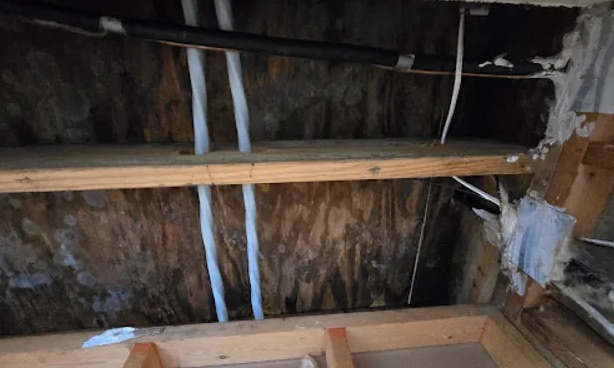
Professional Attic Water Damage Restoration in Baseline, CO
In Baseline, attics get hot in summer and damp in cooler months. That cycle matters after a leak: heat can speed drying, but poor ventilation can trap moisture and keep wood damp.
Detailed Attic Water Damage Restoration Solutions
Roof Leak Water Removal
A tarp can be placed over the damaged roof section to stop more rain from getting in while drying begins below.
Attic Drying Services
Equipment is placed on boards or platforms in the attic so it can run safely without stressing the ceiling drywall.
Ceiling Water Damage Cleanup
Small ceiling stains can often be dried in place and sealed. Sagging, soft or crumbling drywall is replaced.
Emergency Attic Water Extraction
Emergency extraction in an attic removes standing water from decking and drywall tops, and buckets or containment catch active drips.
Attic Leak Water Cleanup
Leak cleanup in an attic means working between joists and around ducts, wiring and insulation, removing water from every spot it pooled.
Warning Signs You Need Attic Water Damage Restoration
Rust on Nails or Vents
Rusted nail tips, vent flanges or metal straps in the attic point to repeated moisture.
Wet or Sagging Insulation
Insulation that looks matted, dark or compressed, or sags between joists, has absorbed water.
Increased Humidity Upstairs
Upstairs rooms that feel clammy even with the AC on may have moisture coming from the attic.
Dripping Sounds From Ceiling
Dripping or tapping sounds above the ceiling, especially during rain, mean water is getting in.
How Attic Water Damage Restoration Works in Baseline
Step 1: Source Stop and Water Extraction
A tarp is placed over roof damage or the pipe is shut off, and water in the attic is removed.
Step 2: Removal of Damaged Materials
Ruined insulation and sagging ceiling drywall are removed to stop further damage and open the area to air.
Step 3: Attic Drying
Dehumidifiers and air movers run until wood framing and decking return to normal moisture levels.
Step 4: Cleaning and Odor Removal
Debris is cleared, dust is cleaned from the room below, and musty odors are addressed.
Frequent Origins of Attic Flooding
Storm Damage From Wind or Hail
Wind and hail can tear shingles or puncture the roof, letting rain in during the storm.
Roof Leaks and Damaged Shingles
Missing, cracked or lifted shingles let rain reach the roof deck and drip into the attic.
Burst or Leaking Plumbing Pipes
Supply lines and water heaters in the attic can leak or burst directly onto the ceiling.
Failing Roof Valley or Flashing
Worn flashing around valleys, chimneys and skylights lets water run into the attic.
Attic Water Damage Restoration for All Property Types in Baseline
Residential Attic Water Damage Restoration
At home, attic leaks usually show up as a stain on a bedroom or hallway ceiling. The attic is dried, wet insulation removed and the ceiling below repaired or dried in place.
Commercial Attic Water Damage Restoration
In commercial buildings, water above a drop ceiling can soak tiles, wiring and insulation across several rooms. Affected tiles are removed and the space above them is dried.
When Attic Water Removal Requires Local Pros
Fans in the room below will not dry an attic. The wood and insulation above need dehumidifiers and air movers placed in the attic, with readings to confirm they are dry.
What Influences Attic Water Damage Restoration Expenses?
In Baseline, insulation removal and ceiling repair often make up a large share of the bill, along with drying equipment days in the attic.
Ceiling Repair Needs
Replacing, taping and painting ceiling drywall after drying adds to the total.
Type of Water Involved
Clean rainwater is simpler to handle than water from a drain or a contaminated source.
Extent of Water Intrusion
A small leak at one spot costs less to dry than water spread across the attic and the rooms below.
Does Insurance Cover Attic Water Damage Restoration?
Photos, moisture readings and drying logs from local water removal experts help support an insurance claim for attic water damage in Baseline. Keep copies of everything.
Advantages of Hiring Local Pros for Attic Water Damage Restoration
Roof Leak Location
The leak point is marked and photographed so the roofer can fix the right spot.
Full Attic Assessment
The whole attic is checked, from the roof deck to the ceiling below, not just the leak spot.
24/7 Emergency Response
Help is available day or night when rain or a burst pipe is pouring water into the attic.
Round-the-Clock Attic Water Damage Restoration in Baseline
A wet attic soaks the ceiling below within hours. Call (720) 902-6742 for attic water damage restoration in Baseline at any time of the day or night.
Call Now (720) 902-6742Local Attic Water Damage Restoration Coverage Area
Homes and businesses throughout Baseline can get roof leak water removal and attic mold prevention as part of attic water damage restoration.
- Attic Water Damage Restoration in Applewood
- Attic Water Damage Restoration in Arvada
- Attic Water Damage Restoration in Aurora
- Attic Water Damage Restoration in Bear Creek
- Attic Water Damage Restoration in Berthoud
- Attic Water Damage Restoration in Boulder Junction
- Attic Water Damage Restoration in Brighton
- Attic Water Damage Restoration in Broomfield
Common Attic Water Damage Restoration Queries Answered
How is ceiling water damage from an attic leak repaired?
Sagging or soft drywall is removed, the cavity is dried, and new drywall is installed, taped and painted once readings are normal.
Can attic water damage affect indoor air?
Wet insulation and wood can cause musty odors that reach the living space, so drying and removing soaked materials matters.
What are the first steps after finding attic water damage?
Catch active drips, move belongings out of the room below, keep away from sagging ceilings and call for an inspection and water removal.
What are common signs of poor attic ventilation?
Damp or dark roof decking, rusted nails, musty smells and condensation on the underside of the roof.
Why is an attic moisture inspection important after a leak?
Water spreads along rafters and insulation away from the drip point. Meters find all of it, so nothing is left wet.