East Boulder, CO
Attic Water Damage Restoration in East Boulder, COAttic Drying Services & Wet Attic Insulation Removal
Attic Water Damage Restoration in East Boulder includes roof leak water removal, ceiling water damage cleanup and attic moisture inspection.
Answered 24/7
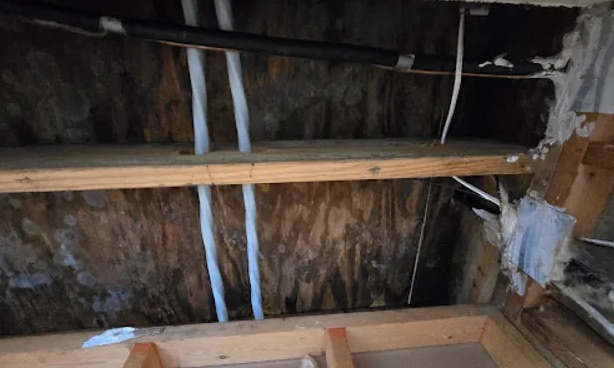
Attic Water Damage Restoration Solutions in East Boulder
Wet attic insulation is heavy and holds water against the ceiling drywall. In East Boulder homes, that weight and moisture can make a ceiling sag and eventually fall if the insulation is not removed.
Comprehensive Attic Water Damage Restoration for East Boulder
Attic Drying Services
Attic drying targets the wood framing and the ceiling below, with readings taken until both return to normal levels.
Wet Attic Insulation Removal
Wet fiberglass batts lose their insulating value and hold water against the ceiling. Soaked sections are bagged and removed so the area underneath can dry.
Ceiling Water Damage Cleanup
A ceiling stained or soaked from an attic leak is drained safely, and sagging drywall is cut out before it falls into the room.
Roof Leak Water Removal
Rain that came through damaged shingles, flashing or vents is removed from the attic, and the leak location is marked for the roofer.
Attic Moisture Inspection
Readings are recorded before and during drying, giving you and your insurer a clear record of the attic damage.
Warning Signs You Need Attic Water Damage Restoration
Dripping Sounds From Ceiling
Dripping or tapping sounds above the ceiling, especially during rain, mean water is getting in.
Rust on Nails or Vents
Rusted nail tips, vent flanges or metal straps in the attic point to repeated moisture.
Wet or Sagging Insulation
Insulation that looks matted, dark or compressed, or sags between joists, has absorbed water.
High Energy Bills
Wet insulation loses its insulating value, so heating and cooling bills can rise after a leak.
How Attic Water Damage Restoration Works in East Boulder
Step 1: First Call and Inspection
The pros check the attic and ceiling, take photos and note where the water entered the attic.
Step 2: Bulk Water and Debris Removal
Standing water, wet insulation and fallen drywall are removed from the attic and room below.
Step 3: Drying and Monitoring
Readings are taken daily, and equipment is adjusted until every wet material is dry.
Step 4: Detailed Reporting for Insurance
A summary of the damage, the materials removed and the drying results is prepared for your claim.
Typical Sources of Attic Moisture Issues
Improperly Sealed Roof Penetrations
Gaps around vents, pipes and antennas that pass through the roof let water in when seals fail.
Burst or Leaking Plumbing Pipes
Supply lines and water heaters in the attic can leak or burst directly onto the ceiling.
Clogged or Damaged Gutters
Clogged gutters overflow at the roof edge, pushing water under shingles and into the soffits.
Roof Leaks and Damaged Shingles
Missing, cracked or lifted shingles let rain reach the roof deck and drip into the attic.
Residential and Commercial Attic Water Damage Restoration in East Boulder
Residential Attic Water Damage Restoration
For townhomes and condos, an attic leak can cross into a neighbor's space. Fast drying and clear records help sort out repairs with the association.
Commercial Attic Water Damage Restoration
Property managers get photos and readings for each affected unit or suite, which simplifies insurance claims and roof repair planning.
Handling Attic Water Damage: DIY Risks vs. Pro Help
Never step between attic joists, since the ceiling drywall will not hold your weight. If water is pooling up there, call (720) 902-6742 instead of trying to reach it yourself.
Factors Affecting Attic Water Damage Restoration Cost in East Boulder
An attic leak caught after the first storm costs less to fix in East Boulder than one that soaked insulation and decking for a whole season.
Duration Before Response
A leak found right away costs less to fix than one that soaked the attic for weeks.
Extent of Water Intrusion
A small leak at one spot costs less to dry than water spread across the attic and the rooms below.
Ceiling Repair Needs
Replacing, taping and painting ceiling drywall after drying adds to the total.
Does Insurance Cover Attic Water Damage Restoration?
Many homeowner policies cover sudden roof leaks from storms and burst attic pipes, but not damage from worn-out roofing or slow leaks. Read your policy and call your insurer early.
Advantages of Hiring Local Pros for Attic Water Damage Restoration
24/7 Emergency Response
Help is available day or night when rain or a burst pipe is pouring water into the attic.
Ceiling Damage Mitigation
Sagging ceiling drywall is drained and removed safely before it can fall.
Structural Drying Expertise
Drying equipment is placed for attic framing and decking, where moisture is hardest to remove.
24/7 Attic Water Damage Restoration Response for East Boulder
Storm, night or holiday, local attic drying pros handle attic leaks in East Boulder. Call (720) 902-6742 to get the water out and drying started.
Call Now (720) 902-6742Local Attic Water Damage Restoration Coverage Area
Help with attic water damage restoration is available across East Boulder, including attic leak water cleanup and wet attic insulation removal.
- Attic Water Damage Restoration in Applewood
- Attic Water Damage Restoration in Arvada
- Attic Water Damage Restoration in Aurora
- Attic Water Damage Restoration in Baseline
- Attic Water Damage Restoration in Bear Creek
- Attic Water Damage Restoration in Berthoud
- Attic Water Damage Restoration in Boulder Junction
- Attic Water Damage Restoration in Brighton
Attic Water Damage Restoration Information and Answers
Can wet attic insulation be saved after a leak?
Lightly damp insulation sometimes dries, but soaked or matted insulation is usually removed and replaced after the attic is dry.
How is ceiling water damage from an attic leak repaired?
Sagging or soft drywall is removed, the cavity is dried, and new drywall is installed, taped and painted once readings are normal.
Does a roof leak always cause attic mold growth?
No. Mold is more likely when wood and insulation stay wet for days, so drying is the main way to prevent it.
What are the first steps after finding attic water damage?
Catch active drips, move belongings out of the room below, keep away from sagging ceilings and call for an inspection and water removal.
Is attic mold prevention always needed after water damage?
Fast drying is always needed. Antimicrobial treatment is added when wood stayed wet long enough to need it.