Louisville, CO · Boulder County
Water Damage Inspection in Louisville, COPost-Flood Damage Assessment & Wall Cavity Moisture Check
Water Damage Inspection in Louisville covers wall cavity moisture check, ceiling water damage inspection and subfloor moisture detection.
Answered 24/7
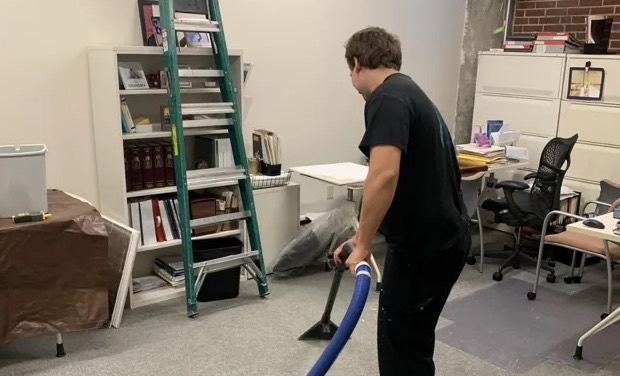
Accurate Water Damage Inspection for Louisville Homes
For homes in Louisville, water damage inspection helps find problems behind walls or under floors before they cause extensive structural damage.
In Louisville and nearby Lafayette, Superior and Broomfield, local water damage inspectors check subfloors and attics for hidden damage that could hurt air quality or the structure.
Specialized Water Damage Inspection in Louisville, CO
Post-Flood Damage Assessment
After a flood, a damage assessment catalogs impacted materials and saturation levels. Local pros use industry-standard methods to classify water and establish a restoration scope.
Wall Cavity Moisture Check
Specialized meters take readings at various depths inside wall cavities. Local pros identify wet studs or insulation that require attention to prevent long-term issues.
Hidden Leak Detection
Hidden leak detection uses infrared cameras and moisture meters to find water behind walls. Local water damage inspectors in Louisville locate unseen moisture, preventing structural damage and mold throughout Louisville.
Post-Remediation Verification
The pros compare readings after drying with readings from dry areas, so no hidden dampness is left to grow mold.
Ceiling Water Damage Inspection
Ceiling inspection identifies leaks from roofs or upstairs plumbing before structural failure. In Louisville, the inspectors assess stain patterns and material integrity.
Common Indicators for Water Damage Inspection in Louisville
High Humidity Indoors
Consistent condensation on windows or a clammy feeling can signal excess moisture. This environment promotes mold and wood rot.
Musty or Moldy Odors
Persistent musty smells often indicate hidden moisture problems. Mold growth can start within 24 to 48 hours of water exposure.
Sagging or Soft Drywall
Walls or ceilings that feel spongy or appear to sag hold significant water. Structural integrity can be compromised.
Persistent Damp Basement
A basement that never fully dries may have seepage or condensation issues. This requires a thorough property water damage check.
How Water Damage Inspection Works in Louisville
Step 1: Problem Area Prioritization
The pros prioritize inspecting areas most susceptible to damage, like under windows, near plumbing fixtures, and below roof leaks.
Step 2: Wall Cavity Moisture Check
A critical phase involves checking wall cavity moisture by drilling small test holes or using non-invasive sensors to assess internal conditions.
Step 3: Subfloor and Attic Inspection
Pros then check the subfloor and attic, where water can collect and cause structural damage.
Step 4: Clear Communication of Results
All technical data is translated into clear terms, explaining the severity, potential for mold, and what remediation steps are indicated.
Common Sources of Water Damage in Louisville
Plumbing Leaks Behind Walls
Pinhole leaks in supply lines or loose drain connections inside walls release water slowly, causing hidden damage over months.
Roof Leaks From Storm Damage
Missing shingles, compromised flashing, or ice dam damage allows water into the attic and down interior wall cavities.
Poor Bathroom Waterproofing
Shower pans, tub surrounds, and toilet seals that fail allow water to migrate into subfloors and adjacent rooms.
Sprinkler System Line Breaks
Underground irrigation lines can crack from freezing or root intrusion, saturating the soil and foundation continuously.
Water Damage Inspection for Homes and Businesses in Louisville
Residential Water Damage Inspection
Home water leak inspection helps protect a property investment. The pros in Louisville use tools like infrared cameras to find moisture behind walls after a plumbing leak or roof issue.
Commercial Water Damage Inspection
For businesses, leaks in office ceilings or stockrooms need a quick inspection. The pros map the damage in walls and under floors and write a repair scope.
The Limits of DIY Water Damage Inspection in Louisville
Move dry belongings away from the area. Do not disturb wet insulation or sagging ceilings, and have the ceiling checked before anyone stands under it.
Water Damage Inspection Cost in Louisville, CO
In Louisville, a full inspection including attic and subfloor checks costs more than a quick look at one room.
Damage Severity
Widespread hidden damage that needs detailed mapping takes more time and adds cost.
Inspection Scope
A full inspection of ceilings and wall cavities costs more than a quick look at one leak.
Access Challenges
Hard-to-reach areas like cramped attics or finished subfloors in Louisville take longer to inspect, influencing the final service cost.
Does Insurance Cover Water Damage Inspection?
For a hidden leak detection service, coverage depends on your policy and the leak's origin. The inspectors provide a detailed report of the moisture intrusion you can submit.
The Value of Local Water Damage Inspection in Louisville
Advanced Detection Equipment
Using tools like infrared cameras and moisture meters allows for accurate identification of hidden water damage behind walls and under floors.
Detailed Damage Documentation
You get a report with photos and moisture readings for repair planning or your insurer.
Focus on Hidden Damage
Specialized attention is given to areas prone to hidden leaks, like wall cavities and subfloors, which visual checks often miss.
24/7 Emergency Water Damage Inspection in Louisville
A burst pipe or appliance failure requires prompt water damage assessment. Call (720) 902-6742 for 24/7 emergency service from the experts in Louisville to inspect and document the damage.
Call Now (720) 902-6742Local Water Damage Inspection Coverage for Louisville
The places below are also served, and each one has its own page.
Water Damage Inspection FAQ for Louisville Homeowners
What does a water damage inspection involve?
The process uses visual checks and tools like moisture meters and infrared cameras to find water sources, map moisture spread, and document damage in walls, floors, and ceilings.
Can a water damage inspection help with insurance?
The detailed report with photos and moisture readings provides documented evidence of the damage's cause and extent to submit with your insurance claim.
Why is moisture mapping important?
A moisture map shows the extent of water intrusion, helping ensure all affected materials are identified for proper drying and reducing the chance of missed pockets of moisture.
Which areas are typically checked for moisture during a water damage inspection?
Floors, walls, ceilings, basements, crawl spaces, attics and the areas around appliances and plumbing fixtures.
What is a wall cavity moisture check?
This involves checking inside wall spaces for moisture using inspection tools, crucial after a leak to help ensure no residual dampness remains within the building structure.