Boulder, CO · Boulder County
Water Damage Categorization in Boulder, COGray Water Damage Categorization & Water Damage Safety Assessment
Professional Water Damage Categorization for Boulder properties includes gray water damage categorization, black water damage categorization, and contaminated water damage cleanup planning.
Answered 24/7
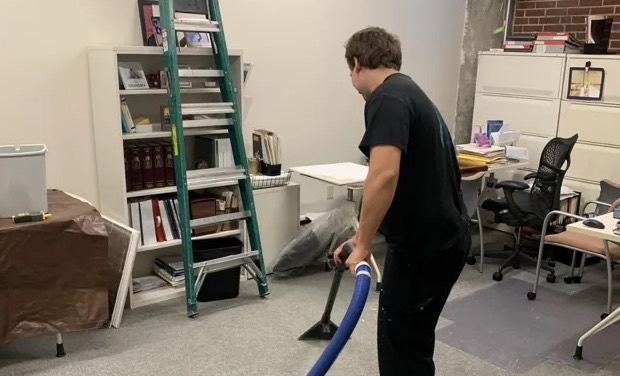
Accurate Water Damage Categorization in Boulder, CO
In Boulder, water damage categorization services assess if the water is category 1, 2, or 3. This step is foundational for preventing mold growth and structural deterioration after a water intrusion.
For water damage assessment in Boulder, identifying the correct IICRC water category is essential. It dictates safety gear and demolition needs. Local water damage assessment experts provide detailed water damage documentation services.
Water Damage Categorization in Boulder
Gray Water Damage Categorization
Evaluating gray water assesses contamination levels that necessitate antimicrobial treatment. Precise categorization ensures the restoration plan effectively addresses the unique risks posed by this intermediate level of water damage.
Water Damage Safety Assessment
A safety assessment evaluates hazards like electrical risks and microbial growth based on the water category. This analysis determines the necessary personal protective equipment and site containment strategies before work begins.
Water Damage Category Verification
Category verification involves retesting moisture levels and contamination as drying progresses. This ongoing process ensures the restoration methods remain correctly aligned with the actual, sometimes changing, category of water damage.
Moisture Mapping for Water Categorization
Creating a moisture map documents how far water has traveled into building cavities. This evidence directly supports the categorization of the damage and informs the precise scope of restoration work needed.
Category 1 Water Damage Assessment
Water damage documentation services create a formal record of the source and contamination levels. The pros use IICRC-standard methods, taking photos and moisture readings. This record defines the scope for subsequent work.
Situations Demanding Water Damage Categorization in Boulder
Musty Odors in Living Spaces
Persistent damp smells signal hidden water damage that may require professional water damage assessment services.
Soft or Spongy Drywall
Walls that feel soft to the touch have absorbed water and need professional evaluation.
Peeling Paint or Wallpaper
Bubbling or peeling interior finishes are often caused by moisture trapped within the wall structure.
Buckling or Warping Floorboards
Wood floors that are cupping or swelling are clear signs of underlying moisture that needs classification.
How Water Damage Categorization Works in Boulder
Step 1: On-Site Water Source Evaluation
Water damage assessment experts locate and stop the water source if possible. They then evaluate the extent of the spread to contain the affected area immediately.
Step 2: Apply Water Damage Classification System
The water is tested and categorized based on the IICRC water categories. Identifying clean, gray, or black water is fundamental for establishing the correct cleanup protocols.
Step 3: Comprehensive Damage Documentation Services
Every step is recorded through photos, moisture readings, and notes as part of water damage documentation services. This creates a verifiable record for the property owner and insurer.
Step 4: Develop Restoration Scope and Protocol
Based on the category and mapping data, the pros develop a scope of work. This plan outlines the specific processes needed, from drying to removal of unsalvageable materials.
Typical Origins for Water Damage Needing Categorization
Faulty or Clogged Gutters
Gutters that don't channel water away properly can lead to water intrusion along the roofline and walls.
Appliance Malfunctions and Overflows
Water heaters, washing machines, dishwashers, and refrigerators can leak or fail, flooding their immediate area.
Foundation Cracks and Seepage
Hydrostatic pressure can force groundwater through cracks in basement walls or slab foundations, causing dampness.
Fire Suppression System Activation
Sprinkler head discharge, while controlling fire, can release large volumes of water requiring immediate extraction and categorization.
Residential & Commercial Water Damage Categorization in Boulder
Residential Water Damage Categorization
Homeowners need precise water damage assessment services to safeguard their investment. Proper classification dictates the drying protocol and material removal. This is crucial for preventing wood rot and indoor air quality problems.
Commercial Water Damage Categorization
Commercial property managers require definitive water damage category verification for insurance. Experts document the extent and category of damage. This forms the basis for restoration plans adhering to IICRC water categories.
The Risks of DIY Water Damage Categorization in Boulder
Remove small items like area rugs from a wet area. Do not move heavy items or handle category 2 or 3 water. The specialists have equipment for safe material handling.
Understanding Water Damage Categorization Cost in Boulder
Costs for water damage categorization in Boulder vary with the scope. The water category dictates safety protocols and cleanup procedures. The affected area's size and contamination extent also influence the final expense.
Safety Protocols
Implementing water damage safety standards for contaminated water increases setup time and may require specialized equipment for the pros on site.
Structural Complexity
Categorizing water damage in multi-room homes or buildings with hard-to-access spaces extends the duration of the water damage inspection process.
Required Documentation
Comprehensive reports for insurance, including moisture mapping services and photographic evidence, add to the overall scope of the water damage documentation services.
Does Insurance Cover Water Damage Categorization?
Insurance may cover restoration if the peril is covered. The role of the pros is to classify the damage and provide a detailed assessment. This documentation aids the claim, but the owner verifies coverage.
Advantages of Professional Water Damage Categorization in Boulder
Health Risk Identification
Classifying water as category 2 or 3 immediately highlights potential biological or chemical contaminants, informing necessary safety measures for occupants and workers.
Detailed Safety Assessments
A water damage safety assessment identifies contamination risks and necessary precautions before any cleanup or restoration work begins in your home.
Formal Category Verification
Water damage category verification provides a definitive classification, removing guesswork and establishing a clear baseline for planning the appropriate restoration response.
Emergency Water Damage Assessment Available in Boulder
Don't wait, as contamination levels can change. For emergency moisture mapping and categorization in Boulder, the pros are available 24/7. Call (720) 902-6742.
Call Now (720) 902-6742Local Areas Covered by Water Damage Categorization
Determining the water damage category is a specialized service for Boulder. The pros perform critical assessments including moisture mapping. This service is available for properties in Boulder and nearby locations such as Goss Grove, University Hill and Boulder Junction.
Frequently Asked Questions About Water Damage Categorization
How does moisture mapping aid in water damage categorization?
Moisture mapping uses tools to detect hidden moisture in walls and floors. It creates a visual map of the full damage extent for accurate categorization and drying plans.
Who performs professional water damage categorization?
The service is performed by trained water damage assessment experts or water damage categorization pros. The professionals are knowledgeable in the IICRC water categories standard and use specialized equipment to provide an accurate classification.
Why is water damage category verification important?
Verification provides a definitive classification, eliminating uncertainty. It ensures the subsequent cleanup plan for gray water or black water damage follows correct safety and procedural standards. This protects health and property.
What tools are used for water damage assessment services?
Assessment experts use moisture meters, thermal imaging cameras, and hygrometers to detect hidden water and measure humidity levels. These tools provide the data needed for accurate moisture mapping and final category determination.
What is the difference between water damage category 2 and 3?
Category 2 gray water contains significant contamination and can cause sickness. Category 3 black water is grossly contaminated with pathogens and toxins. It requires stringent safety measures and disposal protocols during cleanup.