Longmont, CO · Boulder County
Smoke Damage Assessment in Longmont, COSmoke Odor Source Detection & Post-Fire Surface Damage Evaluation
Smoke Damage Assessment in Longmont covers smoke odor source detection, HVAC system smoke contamination check and emergency smoke damage tarping.
Answered 24/7
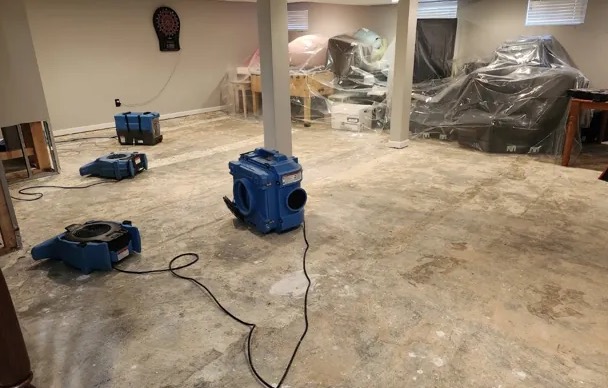
Detailed Smoke Damage Assessment in Longmont, Colorado
After a fire, smoke damage in Longmont homes can be as harmful as the flames. Soot coats surfaces and gets into mechanical systems, causing corrosion and poor indoor air, so a full assessment saves money later.
Homes in Longmont and nearby areas like Niwot, Firestone and Frederick often need a detailed assessment after smoke damage. Local smoke damage pros evaluate soot on contents, the structure and air quality, including odor sources and HVAC systems, to plan a full recovery.
Smoke Damage Assessment Services in Longmont
Smoke Odor Source Detection
Hidden sources often include residue in wall cavities and attics. Pros test different areas so the odor does not return weeks later.
Post-Fire Surface Damage Evaluation
Testing shows whether residue sits on the surface and can be cleaned or has caused deeper damage that needs repair.
Smoke Residue Testing
Whether residue is acidic, alkaline or oily decides how walls, ceilings and contents are cleaned and deodorized.
Soot Damage Assessment for Contents
Pros decide which items can be cleaned on-site, which go off-site and which cannot be saved, with photos and notes for insurance.
Emergency Smoke Damage Tarping
Tarping seals roof and wall openings so more soot and weather do not get in, protecting clean areas during the assessment.
Indicators That Require a Professional Smoke Damage Assessment
Smoke Stains on Air Vents
Dark streaks around supply and return vents mean smoke has moved through the ductwork.
Ash Residue on Furniture and Fixtures
A fine ash layer or sticky film on furniture and fixtures means smoke particles have settled on them.
Discolored Fabrics and Window Treatments
Stained curtains, upholstery or carpet with a lasting odor have absorbed smoke.
Condensation of Soot on Cool Surfaces
Soot on mirrors, windows or tile shows smoke particles condensed on cooler surfaces.
How Smoke Damage Assessment Works in Longmont
Step 1: Visual Inspection for Soot Residues
Soot cleanup pros inspect for staining, discoloration and particles on every surface.
Step 2: Airflow and Contamination Pathway Analysis
Pros study how smoke moved through the house to find where it settled.
Step 3: Material Porosity and Absorption Testing
Drywall, wood and insulation are tested to see how deep smoke soaked in.
Step 4: Odor Penetration and Strength Evaluation
Pros judge how strong and widespread the odor is to choose removal methods.
How Fires Cause Widespread Smoke Damage Assessment
Pressure Changes During the Fire
Pressure changes during a fire push smoke into closed cabinets, drawers and wall cavities.
Synthetic Material Combustion
Burning plastics, vinyl or foam releases acidic soot that can etch and stain surfaces.
Kitchen Grease Fire Residue
Grease fires produce thick, oily smoke that leaves sticky residue on kitchen surfaces.
Electrical Fire Smoke Contamination
Electrical fires create acrid smoke that corrodes metal and leaves a strong odor.
Complete Smoke Damage Assessment for All Properties in Longmont
Residential Smoke Damage Assessment
Home assessments focus on family safety, finding hidden odor sources in attics, crawl spaces and ducts and deciding which belongings can be saved.
Commercial Smoke Damage Assessment
Commercial assessments check smoke's effect on equipment, stock and ventilation to prevent corrosion and plan cleanup that meets health standards.
The Risks of DIY Smoke Damage Assessment in Longmont
Bowls of baking soda or activated charcoal can reduce odor a little. Avoid ozone generators or strong chemical sprays without professional guidance, and call the pros for a full evaluation.
Smoke Damage Assessment Cost Considerations in Longmont
In Longmont, an urgent call that includes emergency tarping before the assessment can change the first service charge.
Air Quality Testing
Testing air in several zones adds sampling and lab analysis to the job.
HVAC System Contamination
Checking ductwork and components for soot is detailed work that adds cost.
Odor Severity
Strong, lasting odors need advanced detection methods to trace them to the source.
Does Insurance Cover Smoke Damage Assessment?
Coverage for cleanup after a fire is not automatic. The pros record the damage, including air test results, and your insurer decides on payment.
Benefits of Local Pros for Smoke Damage Assessment in Longmont
IICRC-Standard Assessment Methods
Assessments follow accepted industry steps so every pathway the smoke took is found.
Detailed Reporting
You receive a clear, itemized report that guides the cleanup that follows.
Advanced Odor Detection
Specialized tools find the source of lasting smoke smells so treatment targets it.
24/7 Emergency Smoke Damage Assessment in Longmont
A fire can leave hidden soot and odor problems. Call (720) 902-6742 any time for an urgent assessment in Longmont so the next steps can be planned.
Call Now (720) 902-6742Smoke Damage Assessment Coverage Area Including Longmont
Each place listed below has its own page with local details.
Smoke Damage Assessment FAQ for Longmont Homeowners
How soon should smoke damage assessment occur?
As soon as it is safe to enter, since soot is corrosive and odors set quickly the longer they sit.
Can assessment determine if contents are salvageable?
It gives a first evaluation, but final decisions often come after professional cleaning is tried.
Are smoke smells a health concern after a fire?
Odors can signal lingering particles, and air testing during the assessment can show any immediate problem.
Can smoke damage affect my HVAC system?
Yes. Smoke circulates through ducts, so checking the HVAC system is a standard part of a thorough assessment.
Is smoke residue testing necessary?
Yes. Knowing the type of residue tells pros which cleaning methods will work without causing damage.