Columbine, CO · Jefferson County
Sewage Odor Removal in Columbine, COAir Duct Sewage Odor Cleaning & Sewer Line Odor Elimination
Sewage Odor Removal specialists in Columbine handle sewage backup odor removal, carpet sewage odor treatment, and air duct sewage odor cleaning.
Answered 24/7
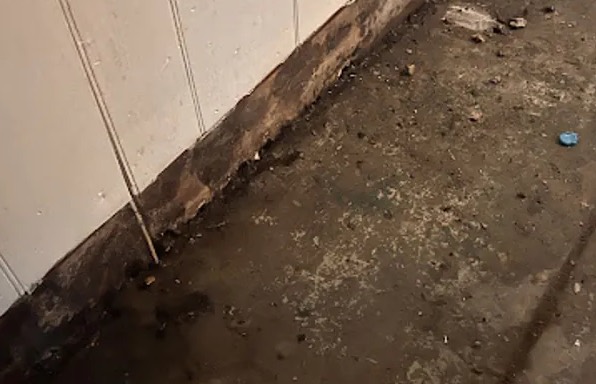
Expert Sewage Odor Removal Services for Columbine
Sewage backup odor removal in Columbine, a census-designated place in Jefferson County, prevents health hazards and property damage from contaminated water. Odor control services must address both visible and hidden moisture.
Sewage odor removal in Columbine is crucial for healthy indoor air. The experts provide septic tank odor remediation and air duct cleaning. They also serve Ken Caryl, Littleton and Englewood with professional services.
Sewage Odor Removal Methods Used in Columbine
Air Duct Sewage Odor Cleaning
If sewer gases enter ductwork, the whole house can smell. The experts in Columbine inspect ducts with cameras and use specialized equipment to agitate and extract debris thoroughly.
Sewer Line Odor Elimination
A broken sewer line can release gases indoors. The experts specialize in sewer line odor elimination by identifying the breach. They then clean and deodorize affected soil and materials.
Septic Tank Odor Remediation
When septic odors invade a living space, the source must be sealed. The experts perform a thorough inspection to locate entry points. Remediation involves cleaning and applying odor counteractants.
Crawl Space Sewage Deodorization
Sewage odors in a dark, damp crawl space are tackled by the experts. They use air scrubbers for filtration, remove contaminated materials, and treat the subfloor and piers.
Drywall Sewage Odor Removal
Sewage odor removal from drywall usually means removal of the material. The pros carefully remove wet, contaminated panels. They treat the structure with oxidizing agents.
When to Call for Sewage Odor Removal in Columbine
Discoloration on Walls or Floors
Brownish stains or rings on drywall or flooring alongside an odor point to hidden sewage damage and septic odor remediation needs.
Persistent Sewage Smell in Your Home
A lingering sewage odor that does not improve with ventilation signals a deep contamination requiring professional sewage smell removal.
Gurgling Sounds in Plumbing
Odd noises from pipes paired with a smell often mean a blockage or vent issue, requiring sewer gas odor elimination.
Animal Activity or Insects Nearby
Increased pest activity can be attracted to sewage residues, a sign of biohazard conditions requiring biohazard odor cleanup.
How Sewage Odor Removal Works in Columbine
Step 1: Hazard Assessment and Safety Prep
The work area is secured, and safety gear is donned to protect against biohazards before any sewage odor removal work begins.
Step 2: Sewer Line Odor Elimination Procedures
If the main line is implicated, access points are used to inspect, clean, and treat the pipe interior to stop sewer line odor at its source.
Step 3: Carpet Sewage Odor Treatment
For contaminated flooring, industrial carpet extractors and injector systems force cleaning and deodorizing agents deep into fibers and padding for carpet sewage odor treatment.
Step 4: Post-Remediation Odor Control Monitoring
After treatment, the site is monitored over time to ensure the odor control services were effective and no residual smells return.
Sources of Sewage Smells in Columbine Homes
Improperly Vented Plumbing Stacks
Faulty or blocked plumbing vents prevent sewer gases from escaping outdoors, instead letting them build up inside your property's drains.
Sewage Soaked Into Carpets
Carpets and pads act as sponges, trapping sewage deep within fibers where it festers and causes relentless carpet sewage odor.
Sewage Particles in Air Ducts
During a backup, contaminated air can distribute sewage particles throughout HVAC systems, spreading odor every time the system operates.
Septic Tank System Failure
A failing or overflowing septic tank releases foul gases and untreated waste, leading to pervasive septic odor problems around your home.
Residential and Commercial Sewage Odor Removal in Columbine
Residential Sewage Odor Removal
Residential sewage smell removal is critical for protecting a home's air quality and value. The pros in Columbine assess contamination in porous materials like drywall and insulation, providing thorough deodorization.
Commercial Sewage Odor Removal
A commercial sewage odor needs a thorough, discreet response. Biohazard odor cleanup in lobbies or kitchens uses industrial-grade equipment. The goal is to neutralize odors and support business continuity.
Sewage Odor Removal: The Risks of DIY in Columbine
For surface smells on sealed tile, mopping with diluted bleach may work. Never mix chemicals. Odors from behind drywall or the HVAC system require professional odor control services for complete neutralization.
Factors Affecting Sewage Odor Removal Cost in Columbine
The price for septic odor remediation depends on the accessibility of the affected systems. Odors originating from a buried septic tank can be more challenging and costly to resolve than those from an indoor drain.
Deodorization Method
The selection of treatment, from surface cleaning to thermal fogging or ozone treatment, is based on odor severity and affects pricing.
Accessibility Challenges
Odor removal in tight crawl spaces or behind finished walls increases the time and specialized equipment required for effective deodorization.
Air Quality Remediation
The need for industrial air scrubbers and specialized filtration to purify the air after sewage damage adds to the overall service scope.
Does Insurance Cover Sewage Odor Removal?
Septic odor remediation costs may be covered for sudden failure. The policy language is the guide. Local specialists compile contamination evidence to support the claim.
The Value of Local Odor Remediation Experts for Sewage Odor Removal in Columbine
Documentation for Homeowners
Detailed reports and photos are provided, documenting the damage and the steps taken for sewage odor removal, which can be useful for records.
Material-Specific Treatments
Different materials like drywall, carpet, and insulation require tailored approaches for drywall sewage odor removal and carpet sewage odor treatment to be effective.
Source Identification Expertise
Effective sewage smell removal begins with accurately locating the origin, whether from a sewer line, septic tank, or hidden backup.
Immediate Sewage Odor Removal for Columbine Emergencies
Persistent sewage smells mean contamination remains. For 24/7 emergency help with sewage odor neutralization, call the pros at (720) 902-6742. Starting the cleaning process quickly is essential.
Call Now (720) 902-6742Sewage Odor Removal in Columbine and Other Areas Served
The places below are also served, and each one has its own page.
Frequently Asked Questions About Sewage Odor Removal
What are the health risks of untreated sewage odors?
Untreated sewage odors indicate the presence of bacteria, viruses, and mold, which can cause respiratory issues, infections, and allergic reactions. Prolonged exposure in enclosed spaces poses significant health hazards, especially to children and immunocompromised individuals.
Is air purification after sewage damage always necessary?
Air purification after sewage damage removes airborne bacteria and fine particles. Industrial air scrubbers run during restoration to clean the air and protect occupant health.
Can carpet be saved after sewage odor contamination?
Carpet sewage odor treatment is possible if the padding is removed and disposed of immediately. The carpet itself may be salvaged through professional hot water extraction and antimicrobial treatment, but severe contamination often requires replacement.
Why is professional odor removal necessary for sewage backups?
Professional odor removal is crucial because sewage contains harmful pathogens that pose health risks. DIY cleaning often fails to eliminate odors trapped deep within porous materials, leading to persistent smells and potential mold growth.
How is drywall treated for sewage odor removal?
Drywall sewage odor removal often requires cutting out and disposing of contaminated sections, as drywall is porous. The framing behind is cleaned and treated before new drywall installation.