Englewood, CO · Arapahoe County
Roof Leak Water Removal in Englewood, COLeak Source Identification & Wet Contents Protection
Roof Leak Water Removal in Englewood covers emergency roof tarping, attic water extraction, ceiling water damage cleanup and wet insulation removal.
Answered 24/7
Water From a Roof Leak in Englewood, Colorado
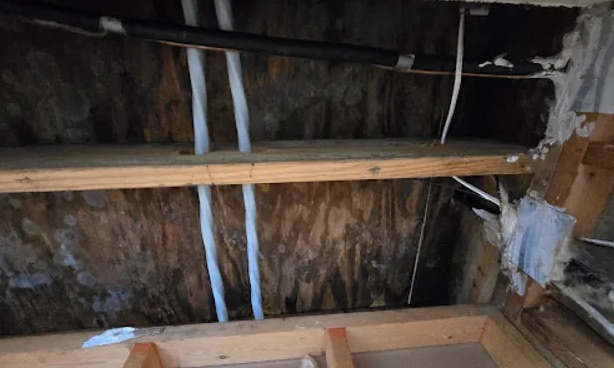
Water from a roof leak lands on the ceiling first. Drywall can hold only so much before it sags, so getting water out of the attic quickly protects the room below.
Roof leak water removal is available in Englewood and nearby Littleton, Greenwood Village and Columbine. The pros tarp the opening if needed, extract the water and dry the attic framing and ceiling drywall.
Roof Leak Cleanup Services in Englewood, CO
Leak Source Identification
Water often travels along rafters before it drips, so the stain is rarely under the hole. Tracing it in the attic shows the real entry point.
Wet Contents Protection
Furniture, rugs and boxes under the leak are moved, blocked up or covered. Wet items are listed and photographed before they are dried or set aside.
Wet Insulation Removal
Soaked batts and blown insulation hold water against the ceiling and framing for weeks. The pros bag and remove it so the attic can dry.
Structural Drying Services
Wet framing in Englewood attics is dried with directed airflow and dehumidification. Daily readings show when the wood is dry enough for repairs.
Attic Water Extraction
Water that pools on attic floors, vapor barriers or ceiling drywall is pulled out with wet vacuums and portable extractors before it soaks through to the room below.
Signs You Need Roof Leak Water Removal
Sagging or Bulging Drywall
A ceiling that bulges or feels soft is holding water. It can give way, so keep people and pets out of the room.
Water Stains on the Ceiling
Brown or yellow rings on the ceiling, often growing after each rain, mean water is reaching the drywall from above.
Rusty Nails in the Attic
Rust on roofing nails or metal straps in the attic means moisture has been collecting there over many rains.
Damp Baseboards on Exterior Walls
Wet or swelling baseboards under a ceiling stain mean water has traveled down the wall cavity from the attic.
How Roof Leak Water Removal Works in Englewood
Step 1: Safety Check
Power to wet ceiling fixtures is shut off and sagging areas are marked so no one walks under them during the work.
Step 2: Roof Tarp and Extraction
The roof is tarped if rain is still possible, then water is removed from the attic, ceiling cavities and floors.
Step 3: Drying Setup
Dehumidifiers and air movers are placed in the attic and the rooms below so both levels dry at the same time.
Step 4: Final Readings
When the wood and drywall read dry, equipment is removed and the roofer and drywall repairs can be scheduled.
Why Water Gets Into the Attic in Englewood
Attic Condensation
Warm, humid indoor air meeting a cold roof deck in winter forms frost and drips that can look like a leak and soak insulation.
Clogged Gutters
Leaves and debris in gutters make water back up at the roof edge, where it seeps under shingles and into the soffit and walls.
Worn Flashing
Flashing around chimneys, skylights and wall joints can crack, rust or pull loose, and water runs in along the gap.
Storm Debris and Hail
Falling branches and hail can crack shingles or puncture the deck, opening a direct path for rain into the attic.
Residential and Commercial Roof Leak Water Removal in Englewood
Residential Roof Leak Water Removal
For homeowners, drying the attic and ceiling before stains spread can save the drywall. Moisture readings show what can stay and what has to come out.
Commercial Roof Leak Water Removal
Property managers get moisture readings and photos for each affected unit or suite, which helps when several tenants and an owner's insurer are involved.
Roof Leak Water Removal vs. DIY: When to Call Water Extraction Experts
Fans and a household dehumidifier help a damp room, but they rarely dry an attic or a soaked ceiling. Wet insulation needs to come out first.
What Drives Roof Leak Cleanup Cost in Englewood
In Englewood, the biggest cost drivers after a roof leak are wet insulation, wet ceiling drywall and how hard the attic is to work in.
Insulation Removal
Bagging and hauling soaked insulation takes labor, and the attic needs new insulation once the framing is dry.
Emergency Tarping
If the roof needs a tarp before drying can start, the materials and labor for that step add to the bill.
Drying Time
Each extra day of air movers, dehumidifiers and moisture checks adds to the cost, so wet wood that dries slowly costs more.
Does Insurance Cover Roof Leak Water Removal?
The pros keep photos, moisture maps and a list of removed materials. You file the claim with your insurer and share these records with the adjuster.
What Local Pros Bring to a Roof Leak in Englewood
Contents Moved Out of Harm
Belongings under the leak are moved, covered or dried so they do not keep soaking while the attic is worked on.
Finding Hidden Water
Thermal cameras and moisture meters find wet insulation and wall cavities that are not visible from the room below.
Wet Insulation Handled
Soaked insulation is bagged and removed so the ceiling and framing can dry instead of staying damp under it.
Around-the-Clock Roof Leak Water Removal in Englewood
Do not wait for a dry day to deal with a roof leak. Call (720) 902-6742 24/7 to stop the water and start drying the attic and ceilings.
Call Now (720) 902-6742Local Roof Leak Water Removal Coverage for Englewood
The places below are also served, and each one has its own page.
Roof Leak Water Removal FAQs
How long does it take to dry an attic after a roof leak?
Drying usually takes three to five days, depending on how wet the wood is and how much insulation came out. Readings decide when it is done.
Does a stained ceiling always need to be replaced?
No. If moisture readings show the drywall is firm and dries out, it can often stay and be primed and painted. Soft or sagging sections are replaced.
How is water removed from an attic?
Standing water is pulled out with wet vacuums and extractors, then soaked insulation is removed so the ceiling and framing can be dried.
Are old ceiling stains a sign of an active leak?
Not always. A dry stain may be from a past leak. A stain that is damp, growing or bulging means water is still getting in.
Is it safe to stay in a room with a wet ceiling?
Keep people out from under a ceiling that sags or drips. Turn off power to wet light fixtures until the ceiling has been checked.