Boulder Junction, CO · Boulder County
Mold Structural Damage Restoration in Boulder Junction, COStructural Wood Mold Treatment & Subfloor Mold Remediation
Mold Structural Damage Restoration in Boulder Junction often includes mold damaged flooring removal, structural wood mold treatment and mold contaminated insulation removal.
Answered 24/7
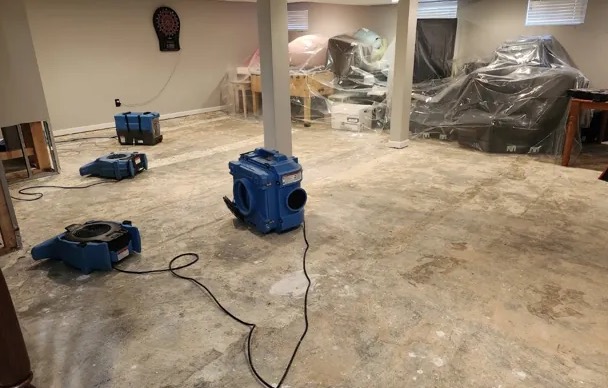
Mold Structural Damage Restoration Solutions in Boulder Junction, Colorado
Mold damage restoration in Boulder Junction addresses both visible destruction and hidden hazards that affect structural stability and indoor air quality. Testing may be needed to find all affected areas in walls, floors and ducts.
In Boulder Junction, mold that damages structure usually starts with a hidden leak that kept wood wet for months. Local water damage restoration experts, who also work in nearby Goss Grove, University Hill and Martin Acres, stop the decay, remove damaged material and treat the wood that remains.
Mold Structural Damage Restoration Services in Boulder Junction
Structural Wood Mold Treatment
For homes in Boulder Junction with mold on framing, the wood is cleaned and treated. Local mold remediation pros use specialized cleaners and drying techniques to salvage the wood whenever possible, avoiding costly full replacement.
Subfloor Mold Remediation
Mold remediation for subfloors requires accessing a confined, often damp space. The process includes moisture mapping, controlled demolition, antimicrobial treatment, and structural drying to create a stable base for new flooring.
Post-Remediation Structural Drying
Structural drying removes the latent moisture that initially caused the mold problem. The process employs high-volume airflow and desiccant dehumidification to dry wall cavities, subfloors, and framing from the inside out.
Mold Contaminated Insulation Removal
Once mold grows in insulation, it cannot be cleaned. The removal process involves establishing containment, extracting the material, and performing a final air scrub of the space to remove lingering particulate.
Emergency Mold Containment Setup
Containment comes first when mold growth is heavy. It involves sealing off doorways, vents, and other openings with plastic sheeting and establishing negative pressure within the work area for safety.
Warning Signs You Need Mold Structural Damage Restoration
Flooring That Feels Spongy
Soft spots underfoot on laminate, tile, or wood floors often point to subfloor mold damage.
Cracking or Splitting Wood Joints
As mold weakens structural wood, joints and supports may start to show physical stress cracks.
Recent Water Damage Stains
Discolored ceilings or walls from past leaks can create the perfect environment for mold.
Warping or Bubbling Drywall
When drywall softens, bulges, or shows bubbles, moisture and mold are likely inside the cavity.
How Mold Structural Damage Restoration Works in Boulder Junction
Step 1: Emergency Response and Evaluation
Upon quick action, the specialists assess the scope of structural damage and plan the mold damage restoration process.
Step 2: Active Mold Growth Removal
Pros physically remove all visible mold colonies and the porous materials they grow on, such as during mold contaminated insulation removal.
Step 3: Antimicrobial Application and Treatment
After removal, approved antimicrobials are applied to remaining structural surfaces to inhibit any residual mold spores from reactivating.
Step 4: Air Quality Clearance Testing
Air samples may be taken afterward to confirm spore counts are safe.
Causes of Mold Structural Damage
Appliance Overflow Incidents
Washing machine, dishwasher, or water heater failures can flood floors and walls, starting rapid mold growth.
High Indoor Humidity Levels
Consistent humidity above 60 percent allows mold spores on surfaces to germinate and colonize materials.
Improper Drying After Water Damage
Incomplete drying after any water incident leaves hidden moisture that turns into mold within days.
Flooding From Storms
Stormwater entering a home saturates porous building materials, requiring drying to prevent structural mold damage.
Mold Structural Damage Restoration for Homes & Businesses in Boulder Junction
Residential Mold Structural Damage Restoration
In homes, mold structural damage restoration addresses hidden mold in wall cavities, under flooring, and within attics. The pros remove drywall, treat the subfloor and dry the structure so the home is safe again.
Commercial Mold Structural Damage Restoration
For businesses, mold can disrupt operations and affect air quality in offices, retail spaces, or warehouses. The pros remove insulation and clean ducts with containment to limit business downtime.
DIY Mold Removal vs. Professional Mold Structural Damage Restoration in Boulder Junction
A property owner can document visible damage by taking clear, dated photos of all affected areas for their insurance claim before any cleanup begins. Since coverage decisions belong entirely to the insurer, they should confirm policy specifics regarding mold structural damage restoration before authorizing any professional work to proceed.
Factors in Mold Structural Damage Restoration Pricing for Boulder Junction
For mold structural damage restoration, the main cost drivers are the extent of structural compromise and the type of surfaces requiring treatment, such as wood beams or subflooring.
Material Type
Costs differ between treating porous wood studs versus non-porous materials, as each requires specific mold removal and restoration approaches.
Testing and Verification
Post-remediation mold testing to confirm clearance adds a final step and associated lab analysis fees.
Containment Level
Establishing negative air pressure and sealing off work zones adds to the project scope and required equipment.
Does Insurance Cover Mold Structural Damage Restoration?
A homeowners policy may provide for mold structural damage restoration if the mold is a direct result of a covered loss. The role of the experts is to accurately document the extent of damage with photos and moisture readings for the property owner's records. All final determinations about payment for structural repair are made by the insurer.
Why Boulder Junction Properties Need Local Experts for Mold Structural Damage Restoration
Clear Scope Communication
You receive a clear explanation of necessary steps, from mold contaminated insulation removal to final repairs.
Detailed Damage Documentation
Pros document all affected areas with photos and moisture data, which can assist in your insurance claim process.
Thorough Drying Protocols
Post-remediation structural drying uses industrial equipment to remove residual moisture from rebuilt cavities and materials.
Round-the-Clock Emergency Mold Structural Damage Restoration for Boulder Junction
For emergency mold containment setup to stop structural damage from spreading, call (720) 902-6742 at any hour. Early work by the experts can help secure the area and begin assessment.
Call Now (720) 902-6742Mold Structural Damage Restoration Provided Throughout Boulder County
Each place listed below has its own page with local details.
- Mold Structural Damage Restoration in Goss Grove
- Mold Structural Damage Restoration in University Hill
- Mold Structural Damage Restoration in Martin Acres
- Mold Structural Damage Restoration in Holiday
- Mold Structural Damage Restoration in Table Mesa
- Mold Structural Damage Restoration in Dakota Ridge
- Mold Structural Damage Restoration in Gunbarrel
- Mold Structural Damage Restoration in Superior
Your Mold Structural Damage Restoration Questions Addressed
What is involved in mold structural damage restoration?
It includes assessment, containment, removal of moldy materials, treatment of the remaining structure, drying and final testing.
How is mold and mildew removal from structural elements different?
Mildew is surface-level and can often be cleaned. Deep structural mold gets into materials, so those materials must be removed.
Does mold testing happen before and after restoration?
Pre-testing can identify spore types and levels. Testing after remediation is standard to confirm cleanup and drying worked.
What is the goal of mold abatement in this context?
It removes active mold and spores from structural materials to a level safe for occupancy.
What happens during post-remediation structural drying?
After mold removal and repairs, industrial dehumidifiers and air movers dry out new materials and adjacent structures to prevent residual moisture from causing new mold growth.