Littleton, CO · Arapahoe County
HVAC Leak Water Removal in Littleton, CODuctwork Condensation Water Removal & Moisture Remediation For HVAC Systems
HVAC Leak Water Removal in Littleton includes emergency HVAC leak cleanup, wet insulation removal near HVAC and coil leak water damage repair.
Answered 24/7
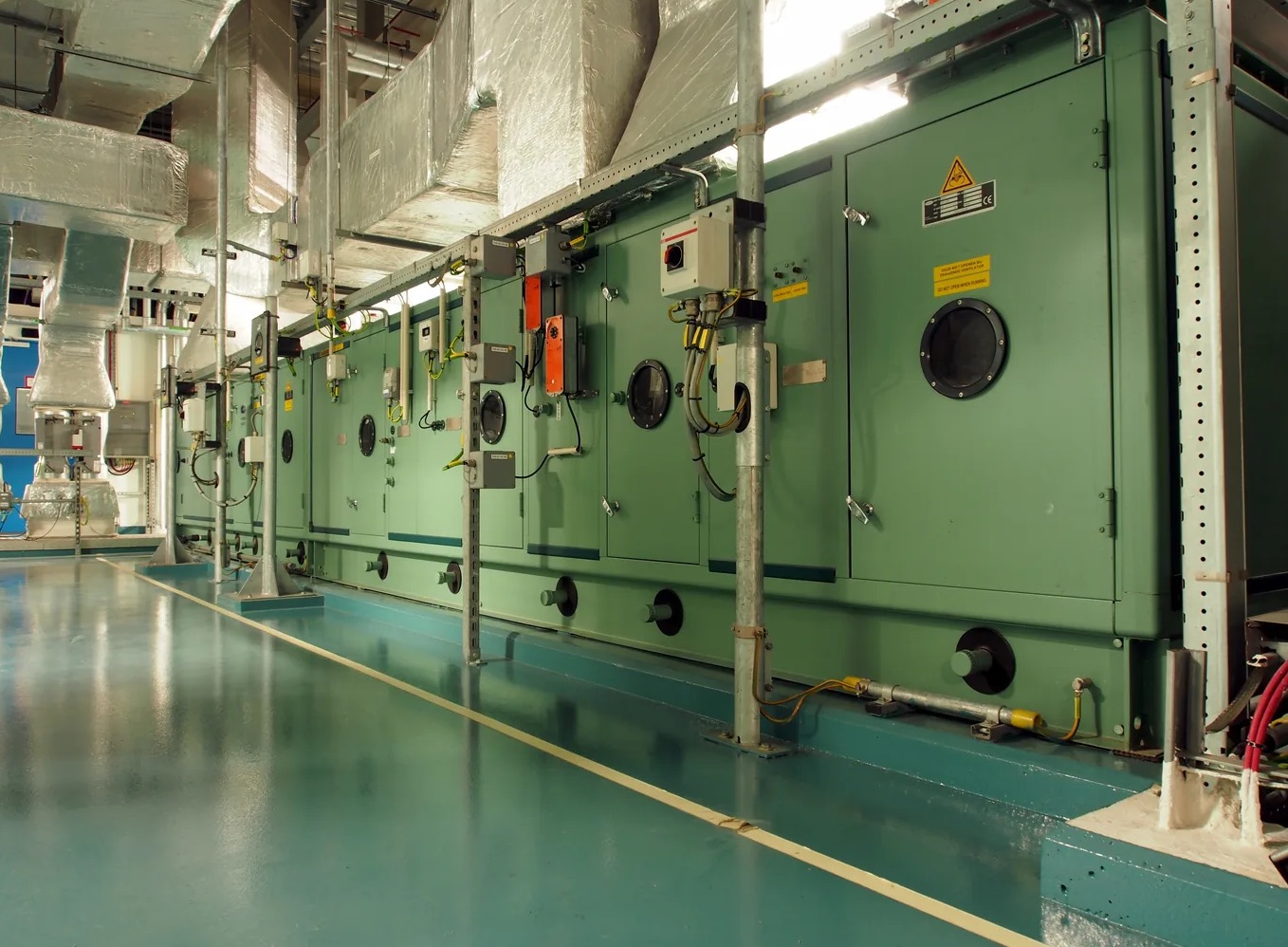
Expert HVAC Leak Water Removal in Littleton CO
A leaking coil in Littleton creates two jobs. An HVAC contractor repairs the coil, and the water that already escaped has to be removed and dried.
When an HVAC leak occurs in Littleton, water needs to come out quickly to protect interior finishes and electrical systems. Local water removal pros serve this community and nearby areas like Englewood, Columbine and Greenwood Village, extracting water around the unit and drying wet ductwork before damage spreads.
HVAC Leak Water Removal Service Details in Littleton
Ductwork Condensation Water Removal
Condensation on ductwork in a crawlspace creates a damp, mold-conducive environment. Cleanup requires removing moisture from ducts and the space.
Moisture Remediation for HVAC Systems
After the water is out, the air in the room is still damp. Dehumidifiers run until humidity is back to normal, which lowers the risk of mold.
Coil Leak Water Damage Repair
A leaking evaporator or condenser coil drips water into the system or onto the floor. Repair begins with extracting all moisture.
HVAC Drain Line Flood Cleanup
A completely blocked primary condensate drain line can overflow the secondary pan. Cleanup requires extracting the spilled water and clearing the line.
Emergency HVAC Leak Cleanup
An actively dripping or flooding HVAC leak is an emergency. Immediate cleanup focuses on water extraction and setting up drying equipment.
Indicators for HVAC Leak Water Removal in Littleton Homes
Mold on Air Handler
Visible mold on the unit, the ducts or nearby drywall usually means water has been there for a while.
AC Drain Line Overflowing
Water spilling from the condensate drain line or its overflow port means the drain is blocked and needs attention now.
Visible Rust on Metal Components
Rust forming on the evaporator coil cabinet, drain pan, or supports indicates prolonged moisture exposure.
Water Damage to Flooring
Warped laminate, cupped hardwood or soaked carpet near the HVAC unit shows the leak has reached the floor.
How HVAC Leak Water Removal Works in Littleton
Step 1: Water Removal Initiation
The pros use pumps and wet vacuums to remove the bulk water from a flooded drain line area.
Step 2: Detailed Moisture Detection
Meters and thermal cameras check concealed spaces so no wet spot behind a wall or above a ceiling is missed.
Step 3: Controlled Drying Environment
Professionals create a controlled environment with dehumidifiers and air movers to dry wet ductwork, insulation and building materials.
Step 4: Final Clearance and Prevention Advice
A final check confirms everything is dry, and you get tips on keeping the condensate drain clear.
What Causes HVAC Leaks Needing Water Removal in Littleton
Failed Condensate Pump
A condensate pump that fails in an attic or utility room cannot move water to the drain, so the reservoir overflows.
Excessive Ductwork Condensation
Poorly insulated ducts in humid spaces sweat and drip water into walls, ceilings and insulation.
Cracked or Disconnected Drain Pan
A damaged or misaligned secondary drain pan beneath the evaporator coil fails to catch condensation overflow.
Improper HVAC System Slope
An air handler or drain line installed without correct pitch prevents gravity-driven water flow to the drain.
Commercial and Residential HVAC Leak Water Removal in Littleton
Residential HVAC Leak Water Removal
In homes, water from a utility closet can reach hardwood floors, cabinets and stored items. The pros dry those materials and wet duct sections near the unit.
Commercial HVAC Leak Water Removal
In commercial buildings, mechanical rooms and the spaces under them are checked for water and dried, with readings recorded for the building manager.
When DIY Fails for HVAC Leak Water Removal in Littleton
A hygrometer can show if indoor humidity is too high, and keeping supply vents open helps airflow. If you see mold inside ducts or smell something musty, DIY cleaning will not reach it. Call (720) 902-6742 for drying help.
HVAC Leak Water Removal Pricing Considerations in Littleton
Pricing for HVAC leak water removal depends on how much ductwork and building material got wet. Water inside wall cavities adds time and equipment.
HVAC System Accessibility
Units in tight closets or attics take more labor to reach, clean around and dry.
Water Contamination Category
Clean condensate is simpler to handle than dirty overflow from a drain line, which needs extra cleaning.
Drying Time and Equipment
The number of days ducts and materials take to dry decides how long the dehumidifiers run.
Does Insurance Cover HVAC Leak Water Removal?
Coverage for HVAC leak water removal depends on what caused the leak and how your policy is written. The pros take photos and moisture readings, and your insurer decides what is covered.
Benefits of Local Water Damage Pros for HVAC Leak Water Removal in Littleton
Precision Wet Insulation Removal
Wet insulation near the unit is removed so it does not hold water against framing and grow mold.
Comprehensive Leak Source Identification
The pros trace the water to the drain line, coil or pan, so the right trade can fix the cause.
Containment and Air Filtration
The work area can be closed off so dust and moist air do not spread while wet materials are removed.
24/7 Emergency HVAC Leak Water Removal in Littleton
Don't let a flooded HVAC unit compromise your home's air quality or safety. For urgent HVAC system water cleanup, reach the experts at (720) 902-6742.
Call Now (720) 902-6742Areas Served for HVAC Leak Water Removal from Littleton
The places below are also served, and each one has its own page.
- HVAC Leak Water Removal in Englewood
- HVAC Leak Water Removal in Columbine
- HVAC Leak Water Removal in Greenwood Village
- HVAC Leak Water Removal in Highlands Ranch
- HVAC Leak Water Removal in Ken Caryl
- HVAC Leak Water Removal in Johnstown
- HVAC Leak Water Removal in Aurora
- HVAC Leak Water Removal in Loveland
HVAC Leak Water Removal FAQ for Littleton Homeowners
Can wet insulation near HVAC be saved?
Often, yes. Wet insulation loses its value and is hard to dry in tight spaces, so it is usually removed and replaced once the area is dry.
How long does wet ductwork drying typically take?
It depends on how much water there is and how easy it is to reach. Most jobs take two to four days of drying with commercial equipment.
How quickly should I address AC unit water damage?
As soon as you see it. Water can reach wiring and soak drywall and insulation, and mold can start within a day or two in wet materials.
What causes an HVAC drain line to flood?
Algae, sludge or debris clog the condensate drain and the pan overflows. A disconnected or cracked drain line can also send water onto the floor.
After HVAC system water cleanup, what repairs are needed?
Beyond drying, repairs might include unclogging or replacing a drain line, replacing wet insulation, and servicing the HVAC unit.