Castle Pines, CO · Douglas County
HVAC Leak Water Removal in Castle Pines, COMoisture Remediation For HVAC Systems & Wet Insulation Removal Near HVAC
HVAC Leak Water Removal in Castle Pines includes emergency HVAC leak cleanup, wet insulation removal near HVAC and coil leak water damage repair.
Answered 24/7
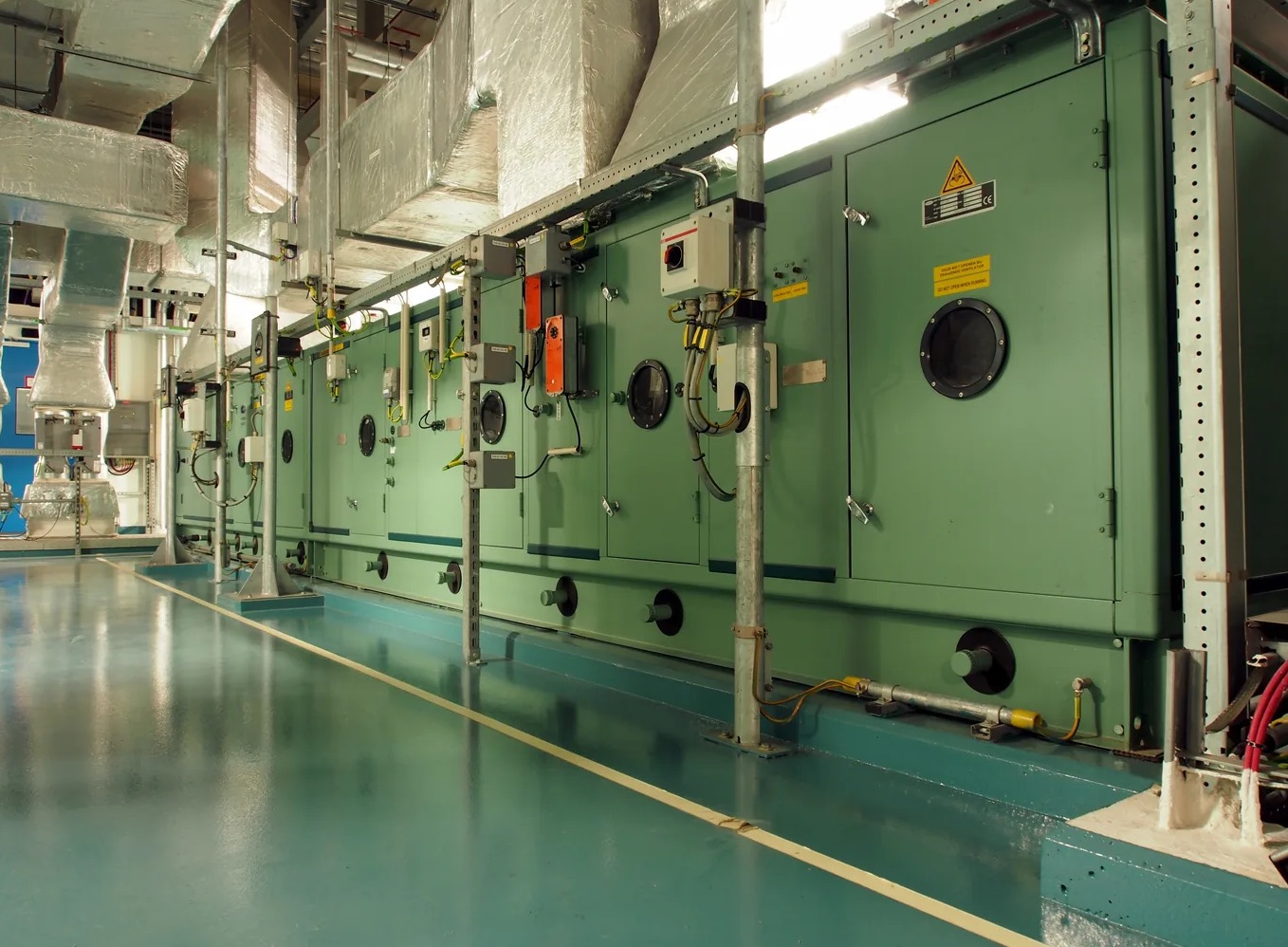
Local HVAC Leak Water Removal for Castle Pines, Colorado
In Castle Pines, water inside ductwork after an HVAC leak needs attention. Damp ducts can blow musty air into every room, and lined ducts may hold water for a long time.
When an HVAC leak occurs in Castle Pines, water needs to come out quickly to protect interior finishes and electrical systems. Local water removal pros serve this community and nearby areas like Lone Tree, Highlands Ranch and Castle Rock, extracting water around the unit and drying wet ductwork before damage spreads.
HVAC Leak Water Removal Services in Castle Pines
Moisture Remediation for HVAC Systems
Removing standing water is only the first part. Moisture meters show water still held in drywall, insulation and wood, and readings continue until they are dry.
Wet Insulation Removal Near HVAC
Soggy insulation in a mechanical closet or crawlspace is a health concern. The pros remove it as part of restoration.
Coil Leak Water Damage Repair
A leaking evaporator or condenser coil drips water into the system or onto the floor. Repair begins with extracting all moisture.
AC Condensate Leak Water Removal
A rusted or cracked condensate pan leaks directly from the AC coil. Prompt water removal prevents corrosion and electrical hazards.
HVAC Cabinet Water Extraction
Water inside an HVAC cabinet sits right next to wiring and the blower. Power is shut off first, then the water is pulled out with small wet vacuums made for tight spaces.
When to Consider HVAC Leak Water Removal in Castle Pines
Reduced Cooling or System Shutdown
An AC that shuts itself off may have a float switch that tripped because the drain pan is full of water.
High Indoor Humidity Levels
A home feeling persistently muggy can mean the HVAC system is not properly removing airborne moisture.
Water Puddles Under HVAC Unit
Standing water or persistent dampness around the air handler or furnace cabinet often signals an active HVAC leak.
Mold on Air Handler
Visible mold on the unit, the ducts or nearby drywall usually means water has been there for a while.
How HVAC Leak Water Removal Works in Castle Pines
Step 1: Water Removal Initiation
The experts use pumps and wet vacuums to remove the bulk water from a flooded drain line area.
Step 2: Detailed Moisture Detection
Meters and thermal cameras check concealed spaces so no wet spot behind a wall or above a ceiling is missed.
Step 3: Controlled Drying Environment
Professionals create a controlled environment with dehumidifiers and air movers to dry wet ductwork, insulation and building materials.
Step 4: Final Clearance and Prevention Advice
A final check confirms everything is dry, and you get tips on keeping the condensate drain clear.
Common Causes of HVAC Water Leaks in Castle Pines
Obstructed Air Filter or Ducts
Badly restricted airflow lets frost build on the cold coil, and the water floods the pan when it melts.
Worn Gaskets or Seal Failures
Worn seals around access panels or coil sections let water escape the cabinet instead of reaching the pan.
Clogged Condensate Drain Line
Algae, sludge, or debris blocking the primary drain pipe causes water to back up into the HVAC cabinet.
Excessive Ductwork Condensation
Poorly insulated ducts in humid spaces sweat and drip water into walls, ceilings and insulation.
Commercial and Residential HVAC Leak Water Removal in Castle Pines
Residential HVAC Leak Water Removal
For homeowners, the experts address water from central AC units, attic air handlers, and basement furnaces. They extract the water to protect flooring, drywall and belongings, then dry wet ductwork.
Commercial HVAC Leak Water Removal
In businesses, water from rooftop units, mechanical rooms and long duct runs can reach offices, stock and electronics. The pros remove it and dry the space while working around business hours.
HVAC Leak Water Removal: DIY Risks and Pro Solutions in Castle Pines
You can inspect the condensate drain line's outside termination for blockages. Gently pouring distilled vinegar down the drain may clear minor algae. Check and replace a dirty air filter. Do not open the HVAC cabinet or handle electrical components.
Factors in HVAC Leak Water Removal Cost for Castle Pines
The experts in Castle Pines price the job based on how long the leak ran and how much it damaged. Wet ducts inside walls or ceilings take extra work to reach.
HVAC System Accessibility
Units in tight closets or attics take more labor to reach, clean around and dry.
Water Contamination Category
Clean condensate is simpler to handle than dirty overflow from a drain line, which needs extra cleaning.
Emergency Service Timing
HVAC leak cleanup started at night, on weekends or on holidays may be billed at a different rate.
Does Insurance Cover HVAC Leak Water Removal?
Flooded HVAC unit cleanup may be covered if the water source is a covered peril in your policy, such as overflow from an appliance. The pros provide photos and readings for your insurance claim.
Benefits of Local Water Damage Pros for HVAC Leak Water Removal in Castle Pines
Comprehensive Leak Source Identification
The experts trace the water to the drain line, coil or pan, so the right trade can fix the cause.
Detailed Damage Documentation
Photos and meter readings of the water damage give your adjuster clear records for the claim.
24/7 Emergency Response
Getting to a leaking AC early limits how far water spreads and how much it rusts parts in the unit.
24/7 Emergency HVAC Leak Water Removal in Castle Pines
Don't let a flooded HVAC unit compromise your home's air quality or safety. For urgent HVAC system water cleanup, reach the experts at (720) 902-6742.
Call Now (720) 902-6742Areas Served for HVAC Leak Water Removal from Castle Pines
Other places served are listed below, each with its own page.
HVAC Leak Water Removal FAQs
How long does wet ductwork drying typically take?
It depends on how much water there is and how easy it is to reach. Most jobs take two to four days of drying with commercial equipment.
What happens during coil leak water damage repair?
The pros remove the water and dry the coil area. The coil itself is serviced or replaced by an HVAC contractor to stop the leak.
What are signs of a leaking AC unit indoors?
Water around the indoor unit, stains on nearby walls or ceilings, a musty smell, or the system shutting off because its float switch tripped.
How quickly should I address AC unit water damage?
As soon as you see it. Water can reach wiring and soak drywall and insulation, and mold can start within a day or two in wet materials.
What causes an HVAC drain line to flood?
Algae, sludge or debris clog the condensate drain and the pan overflows. A disconnected or cracked drain line can also send water onto the floor.