Pearl Street, CO
Whole-Building Fire & Smoke Odor Removal in Pearl Street, COOzone Treatment For Smoke Odor & Fire Damaged Material Removal
Whole-Building Fire & Smoke Odor Removal in Pearl Street pairs whole-house air scrubbing, HVAC duct smoke cleaning, and fire damaged material removal.
Answered 24/7
Whole-Building Fire & Smoke Odor Removal Experts Serving Pearl Street
In properties throughout the Pearl Street area, drywall, insulation, and upholstery absorb smoke deeply, so wiping surfaces rarely removes the smell. Treatment has to reach the air and the materials.
Smoke odor in the HVAC system is a common problem after fires in Pearl Street. Local pros clean the ducts, run air scrubbers, and fog the building so the smell does not return.
Detailed Whole-Building Fire & Smoke Odor Removal Procedures for Pearl Street
Ozone Treatment for Smoke Odor
Local fire restoration professionals in Pearl Street treat empty, closed spaces with ozone, which reaches every corner and breaks down acrid smoke odor.
Fire Damaged Material Removal
Burned drywall, melted plastics, and wet insulation cannot be cleaned, so the professionals remove and dispose of them.
Air Scrubbing for Whole Buildings
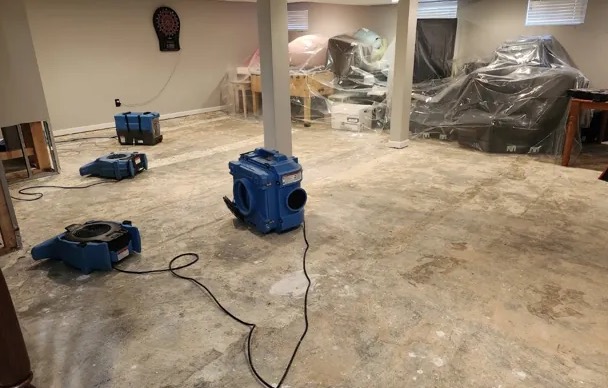
Air scrubbing clears airborne particles early in the cleanup, which keeps soot off surfaces and contents during later treatments.
HVAC Duct Smoke Cleaning
After a fire in Pearl Street, the duct system is cleaned with vacuum equipment and agitation tools before it is used again.
Surface Sealing for Residual Odor
Exposed studs and subfloors get a sealant that holds in remaining odor molecules before walls and floors are rebuilt.
How to Tell If You Need Whole-Building Fire & Smoke Odor Removal
Odor Stronger on Humid Days
A smoke smell that gets stronger on damp days means odor is trapped in porous materials and released when moisture rises.
Odor Returns After Opening Windows
When airing out the house does not clear the smell, smoke odor has worked its way into walls, floors, or furniture.
Smell Emanates From HVAC Vents
A smoky smell coming from vents means the HVAC system is carrying odor from the ducts into every room.
Stinging Sensation in Eyes or Throat
Stinging eyes or a scratchy throat indoors can come from smoke particles still in the air after the fire is out.
How Whole-Building Fire & Smoke Odor Removal Works in Pearl Street
Step 1: Assessment and Containment
Pros check how far smoke spread and set up plastic barriers so odor and soot do not reach clean rooms.
Step 2: Whole-House Air Scrubbing
Air scrubbers with HEPA and carbon filters run continuously to pull soot and odor particles out of the air.
Step 3: Thermal Fogging Deodorization
A heated deodorizing fog is released so it reaches into porous materials and breaks down odor at the source.
Step 4: Surface Cleaning and Sealing
Surfaces are cleaned in detail, then porous ones are sealed with odor-blocking primer before repainting.
Why Smoke Smells Linger After a Fire
Thermal Movement of Odor Particles
Heat from a fire pushes smoke and odor into small cracks and gaps throughout the structure.
Secondary Water Damage
Water used to fight the fire can spread soot into new areas and carry odor into floors and wall cavities.
Smoke Penetration Into Porous Materials
Smoke odor soaks deep into drywall, wood, and insulation, which then release the smell for months if left untreated.
Improper Initial Odor Mitigation
Air fresheners and surface cleaners only cover the smell and leave the residue that causes it in place.
Fire Odor Removal for All Property Types
Residential Whole-Building Fire & Smoke Odor Removal
Homeowners need both the structure and their belongings treated. Pros clean personal items and fog the building so the smell leaves the whole living space.
Commercial Whole-Building Fire & Smoke Odor Removal
Restaurants and stores need merchandise, equipment, and ductwork cleaned so smoke odor does not drive customers away after reopening.
Whole-Building Fire & Smoke Odor Removal vs. DIY Odor Removal Methods
Photograph the damage before cleaning or moving anything, and list affected belongings. Share the photos with your insurer, then leave deodorizing of walls and contents to pros.
Understanding Whole-Building Fire & Smoke Odor Removal Cost Factors
Labor for removing burned materials and the amount of soot to lift from walls and fabrics both affect the final price.
Severity of Smoke Penetration
Heavy smoke residue needs more cleaning passes and repeat treatments than light surface soot does.
Affected Material Types
Porous materials like drywall and upholstery often need special treatment or removal, which adds work.
Building Square Footage
Larger buildings need more labor time and more deodorizing solution to cover every room.
Does Insurance Cover Whole-Building Fire & Smoke Odor Removal?
Coverage depends on your policy and the cause of the fire. The professionals document the damage with photos and notes; confirm coverage directly with your insurance provider.
Selecting the Professionals for Your Project
Content Salvage Focus
Belongings are cleaned and deodorized so items that might otherwise be thrown out can often be kept.
IICRC-Standard Deodorization Methods
Pros follow established smoke odor protocols, treating odor at its source instead of covering it with fragrance.
Specialized Odor Removal Equipment
Ozone generators, thermal foggers, and HEPA scrubbers are built for odor work that household tools cannot do.
Around-the-Clock Help for Smoke Damage in Pearl Street, CO
Deodorizing works better before odor settles deep into walls and furniture. Call (720) 902-6742 at any hour for an initial assessment of the smoke damage.
Call Now (720) 902-6742Areas Served for Whole-Building Fire & Smoke Odor Removal
Help with whole-building fire & smoke odor removal is available across Pearl Street, including whole-house air scrubbing and thermal fogging deodorization.
- Whole-Building Fire & Smoke Odor Removal in Applewood
- Whole-Building Fire & Smoke Odor Removal in Arvada
- Whole-Building Fire & Smoke Odor Removal in Baseline
- Whole-Building Fire & Smoke Odor Removal in Bear Creek
- Whole-Building Fire & Smoke Odor Removal in Boulder Junction
- Whole-Building Fire & Smoke Odor Removal in Broomfield
- Whole-Building Fire & Smoke Odor Removal in Chautauqua
- Whole-Building Fire & Smoke Odor Removal in Coal Creek
Frequently Asked Questions About Whole-Building Fire & Smoke Odor Removal
How effective is electrostatic soot removal?
Charged cleaning solutions attract fine soot and lift it off surfaces, which prepares them for deodorizing and paint.
How does thermal fogging deodorization work?
A heated deodorant is turned into a fine fog that travels into porous materials and breaks down odor molecules where cleaning cannot reach.
Why is HVAC duct smoke cleaning necessary?
Soot in the ducts spreads odor every time the system runs. Cleaning the ducts stops that cycle so treated rooms stay fresh.
Can ozone treatment remove strong smoke smells?
Ozone generators release O3, which breaks apart smoke odor compounds in the air and on porous surfaces when used in an empty building.
Is whole-house air scrubbing run continuously?
Yes. Industrial HEPA scrubbers run for long periods through the cleanup, filtering fine soot and odor particles from the air.