Boulder, CO · Boulder County
Find Water Leaks in Boulder, COSlab Leak Detection & Emergency Leak Detection
Find Water Leaks in Boulder utilizes slab leak detection, thermal imaging leak detection and whole house leak detection to find leaks without damage.
Answered 24/7
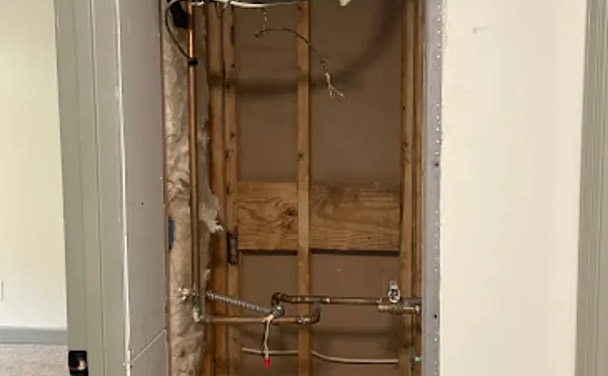
Accurate Find Water Leaks for Boulder Homes
In Boulder, slow leaks ruin finishes, draw pests and can grow mold. Finding them early keeps repairs small, whether by checking the water meter or using an infrared camera.
In Boulder and nearby Goss Grove, University Hill and Boulder Junction, local pros use thermal cameras and other tools to find leaks in slabs, pipes and walls. Call (720) 902-6742 24/7 for find water leaks in Boulder.
Water Leak Detection Services in Boulder
Slab Leak Detection
The pros find leaks in water pipes that run below a home's concrete slab.
Emergency Leak Detection
Help is available 24/7 for urgent leaks such as burst pipes or failed supply lines.
Whole House Leak Detection
A thorough whole house leak detection survey is recommended when moisture issues are widespread or the source is unclear.
Water Meter Leak Detection
With all water off, the water meter is checked for movement, which shows whether a hidden leak is running.
Hidden Water Leak Detection
Acoustic and thermal tools find leaks you cannot see, before they cause mold and water damage inside walls in homes across Boulder.
Signs That Point to Hidden Leaks Needing Find Water Leaks
Foundation Cracks or Shifts
New cracks in your home's foundation or slab can be caused by water erosion from a subsurface leak.
Musty Odors and Mold Growth
A persistent earthy smell or visible mold spots can signal hidden moisture from an undetected leak.
Low Water Pressure Issues
A noticeable drop in water pressure from faucets or showers can point to a leak in the supply line.
Constantly Running Toilet
A toilet that refills on its own or makes a continuous hissing sound may have a hidden leak.
How Find Water Leaks Work in Boulder
Step 1: Initial Assessment and Consultation
The process begins with a discussion of the signs you've observed and a review of the home's plumbing history to narrow the search area.
Step 2: Non-Invasive Leak Detection Scan
Local pros scan walls and floors with thermal cameras for temperature changes that point to water.
Step 3: Acoustic and Pressure Testing
Specialized listening devices and pressure gauges are employed to pinpoint the exact sound or pressure drop associated with the hidden water leak.
Step 4: Verification and Documentation
The suspected leak location is verified, and moisture readings and photos are documented for your records and potential insurance claim review.
Frequent Leak Sources Identified by Find Water Leaks
Water Heater Tank Failures
Internal corrosion or a failing pressure relief valve on a water heater can lead to significant leakage and water damage.
Faulty Appliance Connections
Washing machine hoses, dishwasher supply lines, and water heater connections can degrade or loosen, leading to sudden water releases.
High Water Pressure Stress
Excessively high water pressure strains pipe joints and connections, eventually causing failures and slow leaks within walls.
Poor Plumbing Installation
Improperly soldered joints, loose fittings, or incorrect pipe slopes from the initial install create weak points prone to leaking.
Boulder Find Water Leaks for Residential and Commercial
Residential Find Water Leaks
For homes on concrete slabs, finding the exact leak location means the floor is opened in one small spot instead of several.
Commercial Find Water Leaks
In office buildings or retail spaces, slab leaks can go unnoticed until flooring fails or utility costs soar. Professional leak detection for businesses identifies these hidden issues before they cause major operational and financial impacts.
When to Call Local Pros for Find Water Leaks
If water pressure drops or you hear constant hissing, check visible fixtures and the main shut-off. If the cause is not obvious, call for leak detection before the damage grows.
Factors in Find Water Leaks Cost for Boulder
In Boulder, the cost of leak detection starts with where the leak is. Leaks behind walls or under slabs take more equipment and time to find.
Detection Method
Thermal imaging and acoustic listening use specialized equipment, which affects the price.
Plumbing Complexity
Older plumbing systems or those with numerous branches and fixtures present more areas for potential leaks that require careful evaluation.
Property Size
A whole house leak detection survey for a larger home involves more plumbing lines and potential points to inspect thoroughly.
Does Insurance Cover Find Water Leaks?
For pipe leak detection, contact your insurer to understand your coverage. Many policies cover the resulting water damage and the plumbing repair if the leak is sudden. The diagnostic leak detection work to locate the pipe failure may be considered part of the repair.
Why Boulder Trusts Local Pros for Find Water Leaks
Clear Source Identification
Pros find exactly where the water is coming from, which has to happen before any drying or repair.
Preventative Insight
Identifying a minor leak early through detection can help prevent more extensive water damage and mold growth issues in the future.
Comprehensive Plumbing Assessment
A whole house leak detection check evaluates the entire system, helping to identify multiple potential issues or confirm a single leak source.
Around-the-Clock Find Water Leaks in Boulder
Water sounds behind a wall or a rising water meter indicate a possible emergency. Reach local leak detection experts anytime at (720) 902-6742 for diagnostic service in Boulder.
Call Now (720) 902-6742Find Water Leaks Service Area Including Boulder
In Boulder and neighboring locations such as Goss Grove, University Hill and Boulder Junction, leak detection uses listening equipment and thermal imaging to find leaks.
Find Water Leaks FAQs for Boulder Homeowners
What happens after you find the leak?
After leak location, the water leak detection pros document the source with photos and readings. This information guides the next steps for any necessary water damage drying, cleanup, or plumbing repair.
What tools are used for water leak detection?
Thermal cameras show temperature differences, listening devices pick up water sounds and moisture meters map damp areas.
Does leak detection work on all pipe types?
Most leak detection methods are effective on common pipe materials like copper, PVC, and PEX, though the material can influence the acoustic signature or thermal profile slightly.
How long does professional leak detection take?
The time varies greatly based on leak accessibility and home size, from a quick fixture check to several hours for a whole house survey or challenging hidden leak search.
What does water meter leak detection involve?
Water meter leak detection involves monitoring the meter with all water off; if the meter continues to move, it indicates a leak somewhere in the system, prompting a more detailed search.