Boulder, CO · Boulder County
Drywall Water Damage in Boulder, COWet Drywall Removal & Drywall Leak Repair
Drywall Water Damage in Boulder covers wet drywall removal, drywall leak repair and ceiling water damage cleanup.
Answered 24/7
Your Local Solution for Drywall Water Damage in Boulder
For properties in Boulder, delaying drywall water damage repair often leads to more extensive demolition and higher costs. Local restoration pros emphasize speed and thoroughness to minimize overall disruption and damage.
Properties in Boulder and nearby Goss Grove, University Hill and Boulder Junction see drywall water damage from leaks, appliances and storms. Each property in Boulder gets a plan based on the source of the damage, the materials involved, and how long they were exposed.
Key Drywall Water Damage Processes in Boulder
Wet Drywall Removal
Saturated drywall is removed first. The pros in Boulder use moisture meters to find which panels are wet so only those come out, which lets the framing dry.
Drywall Leak Repair
Drywall leak repair stops water intrusion and fixes visual damage. Professionals dry the cavity, replace ruined materials, and install new drywall. Primer and paint match the existing decor for a lasting fix.
Drywall Mold Prevention
Mold prevention eliminates the conditions mold needs to grow. After drying wet drywall, experts treat the area and framing with antimicrobial agents. They advise on maintaining good ventilation to keep humidity low.
Emergency Drywall Water Cleanup
The pros provide emergency response for drywall water damage. They focus on water extraction and begin drying wet walls or ceilings. This 24/7 service minimizes the extent of damage.
Ceiling Water Damage Cleanup
The pros manage ceiling leak cleanup, which may involve controlled removal of damaged drywall. They extract pooled water in the attic space above and dry the entire area to prevent further damage.
When to Consider Drywall Water Damage in Boulder
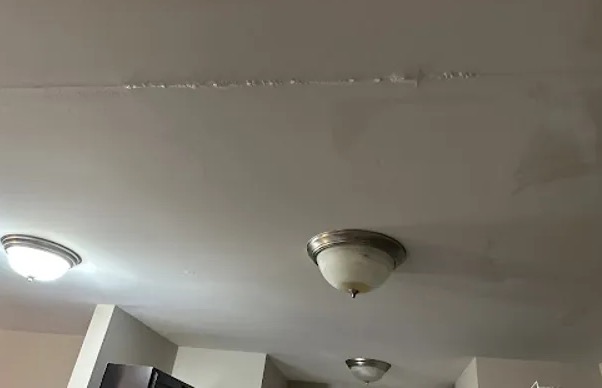
Water Stains on Drywall
Yellowish or brownish water stains appear on drywall surfaces, indicating persistent moisture exposure behind the painted surface.
Sagging or Bubbling Drywall
The drywall panel begins to sag, bulge, or bubble outward as the gypsum core absorbs water and loses its structural integrity.
Discolored Drywall Tape
The joint tape between drywall panels darkens or shows water stains, revealing leaks at the seams from behind.
Crumbling Drywall Corners
The corners of drywall panels or around electrical outlets begin to crumble or turn to powder due to moisture saturation.
How Drywall Water Damage Works in Boulder
Step 1: Water Containment and Extraction
The first priority is to contain the water and perform drywall water extraction from the area.
Step 2: Drywall Condition Evaluation
Pros evaluate each drywall panel to decide between salvageable drying or necessary removal.
Step 3: Advanced Structural Drying
Industrial dehumidifiers and air movers are positioned to draw moisture out from within the drywall core.
Step 4: Reconstruction and Prevention
The final step involves any necessary reconstruction and applying drywall mold prevention techniques. The finished wall is ready for primer and paint.
Common Causes of Drywall Water Damage in Boulder
Foundation Cracks and Seepage
Cracks in the foundation or basement walls permit groundwater or hydrostatic pressure to push moisture into finished basement drywall.
Sprinkler System Misalignment
Lawn sprinklers that directly hit the home's exterior wall can force water through tiny openings over time, damaging the interior drywall.
Window and Door Seal Failures
Failed caulking or weather stripping around windows and doors allows driving rain or condensation to penetrate the adjacent drywall.
Appliance Leaks and Overflows
Malfunctioning washing machines, water heaters, dishwashers, or ice makers can leak or overflow, flooding floors and soaking lower walls.
Drywall Water Damage Across Property Types in Boulder
Residential Drywall Water Damage
Homeowners face risks from hidden moisture in walls causing mold and structural weakness. The pros perform wet drywall removal and drywall leak repair to safeguard your family's health.
Commercial Drywall Water Damage
The experts use industrial equipment for large-scale drying and dehumidification. They manage emergency drywall water cleanup to get your workspace operational quickly with proper documentation.
Drywall Water Damage vs. DIY: When to Call Restoration Pros
You may safely remove loose, wet debris or peeling paint from a small area of damaged drywall using gloves. Dispose of the material properly. For leak repair and mold prevention, the experts should handle it.
What Affects Drywall Water Damage Repair Cost
The expense for drywall drying services is tied to the equipment used. Industrial-grade air movers, dehumidifiers, and monitoring tools all contribute to the operational cost of the job.
Mold Prevention
Antimicrobial treatment and drying the substrate add a step to the work.
Location Complexity
Repairing drywall in hard-to-reach areas, like vaulted ceilings or behind custom finishes, often requires more time and specialized techniques.
Material Removal
Costs account for the labor and disposal of water-damaged drywall, insulation, and any other compromised building materials within the wall cavity.
Does Insurance Cover Drywall Water Damage?
When filing a claim for emergency drywall water cleanup, documentation is helpful. The pros can provide detailed moisture readings and photos of the affected drywall.
Reasons to Select Local Experts for Drywall Water Damage
24/7 Emergency Response
Quick action on wet drywall helps minimize secondary damage like swelling, sagging, and the potential for mold growth.
Industry-Standard Drying
Wall cavities are dried to target readings to prevent hidden mold and decay later.
Mold Prevention Focus
A drywall drying process and antimicrobial application help create conditions that discourage mold growth after a leak.
Emergency Drywall Water Damage Repair in Boulder
If a leak has saturated your drywall, delaying repair risks mold. Contact the pros for emergency response at (720) 902-6742 to begin wet drywall removal and moisture control.
Call Now (720) 902-6742Drywall Water Damage Near Boulder: Areas Served
Water damage affecting drywall requires specific drying and repair techniques. In Boulder and surrounding locations such as Goss Grove, University Hill and Boulder Junction, the experts handle these specialized projects.
Frequently Asked Questions About Drywall Water Damage
How is drywall water extraction performed?
While drywall itself doesn't hold much water, extraction focuses on removing standing water from the floor and using air movers to draw moisture from the wall materials.
What happens during wet drywall removal?
Pros carefully cut out and remove the compromised drywall sections, often preserving the top and bottom plates to allow for proper drying and preparation for new drywall.
Can wet drywall be saved, or must it be removed?
Moderately wet drywall may be dried in place if addressed quickly, but saturated, swollen, or sagging drywall usually requires removal to prevent mold and structural issues.
How long does drywall drying take after a leak?
It depends on moisture levels and wall construction, but drying wall cavities with industrial equipment often takes several days.
Does drywall water damage always lead to mold?
Not always, but mold can begin growing within 24-48 hours in damp conditions. Prompt, drying and moisture removal are considered the most effective methods for prevention.