Denver, CO · Denver County
Dehumidification Services in Denver, COWet Drywall Drying Services & Commercial Building Dehumidification
Dehumidification Services in Denver include whole-house dehumidification, wet drywall drying services and commercial building dehumidification.
Answered 24/7
Local Dehumidification Services for Denver Residents
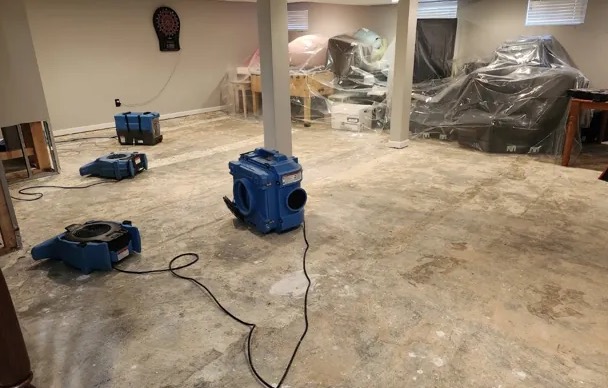
Removing standing water is only half of water damage cleanup. In Denver, walls, floors and framing keep releasing moisture into the air for days, and if that moisture is not removed it soaks back into everything nearby.
In Denver, Whittier, Lowry and Stapleton, commercial buildings need high-capacity drying after sprinkler leaks and roof leaks. Dehumidification Services bring equipment sized for large open spaces and high ceilings.
Dehumidification Services in Denver
Wet Drywall Drying Services
Drywall that got wet is dried with dehumidifiers and directed airflow, often through small holes at the base of the wall.
Commercial Building Dehumidification
Offices, stores and warehouses need high-capacity dehumidifiers sized for large spaces and high ceilings after water damage.
Crawl Space Drying
A repaired vapor barrier helps the dehumidifier work, since it limits moisture rising from the soil.
Mold Prevention Dehumidification
Dehumidifiers run until materials are dry, so damp drywall, wood and carpet do not stay wet long enough for mold to start.
Attic Moisture Removal
Attic drying is checked with readings on the decking and rafters until they return to normal, not just by how the air feels.
When to Schedule Dehumidification Services in Denver
Persistent Condensation on Windows
Windows that fog or drip on the inside show the air holds more moisture than it should.
Rust on Metal Fixtures or Pipes
Rust on pipes, tools or metal fixtures shows long-term moisture in the area.
Water Stains on Ceilings or Walls
Water stains on ceilings or walls mean materials got wet and may still hold moisture inside.
Slow-Drying Laundry or Towels
Towels and laundry that never seem to dry indoors point to very damp air.
How Dehumidification Services Work in Denver
Step 1: Site Inspection
Humidity and material readings are taken across the affected area to set the drying plan.
Step 2: Drying Equipment Deployment
Equipment is sized and placed for the space, including attics, crawl spaces or large rooms.
Step 3: Active Drying Management
Readings are logged daily, and dehumidifiers are moved as each area dries.
Step 4: Post-Drying Evaluation and Report
A report shows starting and final readings and when each area reached normal levels.
Sources of Indoor Humidity and Dehumidification Solutions in Denver
Crawl Space Vapor Barrier Failure
A torn or missing crawl space vapor barrier lets ground moisture rise into the house.
Recent Water Damage Restoration Work
Rooms that were extracted but not fully dried after earlier water damage stay damp.
Appliance Malfunctions and Overflows
Washers, dishwashers and water heaters that leak leave wet floors, cabinets and walls behind.
Foundation Cracks and Seepage
Foundation cracks let groundwater seep in, keeping basements and lower levels damp.
Home and Business Dehumidification Services in Denver
Residential Dehumidification Services
Homeowners renting a store-bought dehumidifier often find it cannot keep up with soaked materials. Commercial units dry the space faster.
Commercial Dehumidification Services
Restaurants and medical offices need drying that keeps humidity and dust under control in areas that must stay clean.
Professional Dehumidification vs. DIY in Denver
You can run the dehumidifier you own, keep doors closed to the wet room and take photos. Drying soaked materials in a reasonable time usually takes commercial equipment and readings.
Dehumidification Services Cost in Denver, CO
Repairs after drying are a separate cost. In Denver, fully dried materials often mean fewer repairs are needed.
Initial Moisture Levels
Materials that soaked up a lot of water take longer to dry than lightly damp ones.
Affected Square Footage
Larger wet areas need more dehumidifiers and air movers running at once.
Accessibility of the Area
Tight attics and crawl spaces take longer to set up and monitor than open rooms.
Does Insurance Cover Dehumidification Services?
Insurers often want proof that drying was needed and that it worked. Starting and final moisture readings from the job show both clearly.
Why Choose Local Pros for Dehumidification Services in Denver
Drying Verification
Drying ends when readings match unaffected dry areas of the building, not when surfaces look dry.
24/7 Emergency Response
Help is available day or night, so drying can start as soon as the water is out.
Cross-Contamination Control
Containment keeps damp or dusty air from contaminated areas out of the rest of the building.
24/7 Emergency Dehumidification Services in Denver
If the wet area has electrical hazards or sagging ceilings, stay clear and shut off power if it is safe. Then call (720) 902-6742 for help in Denver.
Call Now (720) 902-6742Local Dehumidification Services Areas Including Denver
Each place listed below has its own page with local details.
- Dehumidification Services in Lowry
- Dehumidification Services in Stapleton
- Dehumidification Services in Wheat Ridge
- Dehumidification Services in Central Park
- Dehumidification Services in Brighton
- Dehumidification Services in Berthoud
- Dehumidification Services in Lakewood
- Dehumidification Services in Commerce City
FAQs on Professional Dehumidification Services
Is water extraction part of the dehumidification process?
Extraction comes first. Dehumidifiers do far more good once standing water has been removed from floors and carpet.
How does dehumidification protect drywall and wood?
It pulls moisture out of the air so wet drywall and wood can dry before they swell, warp or weaken.
Can I rent a dehumidifier instead of hiring a pro?
For a small, lightly damp area, maybe. Soaked materials usually need commercial equipment and readings to dry fully.
Are industrial dehumidifiers used in homes?
Yes. Commercial units are often used in homes after water damage because they dry materials much faster.
What is the difference between residential and commercial dehumidification?
Commercial jobs cover larger spaces and use higher-capacity equipment, often planned around business hours.