Denver, CO · Denver County
Contents Restoration Services in Denver, COTextile Clothing Restoration & Contents Pack-Out Services
Contents Restoration Services in Denver run from contents pack-out services and hard contents cleaning to textile clothing restoration.
Answered 24/7
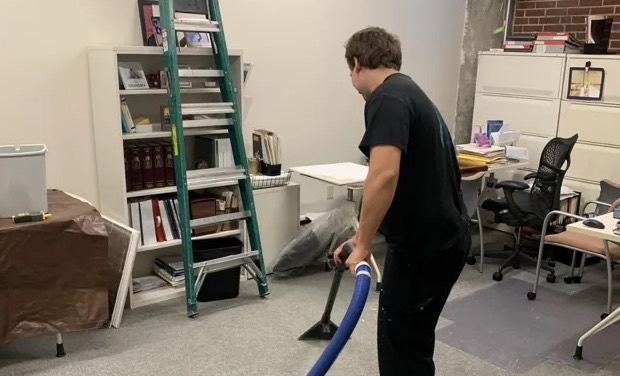
Contents Restoration Services: Restoring Your Belongings in Denver
After water damage, the building is only part of the job. In Denver, furniture, clothing, papers, electronics and keepsakes can be ruined by water that sits in a room for a day or two.
A leak in Denver can soak a room full of belongings overnight. Local contents cleaning experts serve Denver and nearby Whittier, Lowry and Stapleton, with help available around the clock.
Specialized Contents Restoration Services for Denver
Textile Clothing Restoration
Textiles touched by sewage are usually discarded unless they are valuable enough for specialist cleaning.
Contents Pack-Out Services
Packed contents are labeled by room, which makes it easier to return everything to the right place once the home is dry.
Hard Contents Cleaning
Metal items are dried quickly to limit rust, and wood items are dried slowly to limit cracking.
Odor Removal From Contents
Musty odors in fabrics, furniture and boxes after a leak are treated by drying and cleaning the items, not by masking the smell.
Water Damaged Furniture Restoration
Upholstered furniture soaked by clean water can sometimes be dried and cleaned. Pieces soaked by sewage or floodwater are usually discarded.
When to Consider Contents Restoration Services in Denver
Corrosion on Electronic Contacts
Green or white crust on electronic ports and contacts is corrosion from moisture. Keep the device off.
Buckled Hardwood or Laminate
Buckled floors under furniture mean the furniture legs and bases have likely been sitting in water too.
Pest Activity Around Belongings
Insects around stored boxes can be drawn by damp cardboard and paper from a leak.
Persistent Damp Odors in Rooms
A damp, musty smell in a room often comes from wet fabrics, rugs or boxes as well as walls.
How Contents Restoration Services Work in Denver
Step 1: On-Site Inventory and Documentation
Belongings in the affected rooms are photographed and listed, with notes on each item's condition.
Step 2: Pack-Out and Moving
Items are boxed and labeled by room, then moved to a dry area or storage so drying can begin.
Step 3: Cleaning and Drying
Hard items are cleaned, soft items are laundered or set aside and wood is dried slowly.
Step 4: Final Inspection and Return
Cleaned items are checked and returned room by room once the home is dry and repaired.
Common Sources of Damage to Contents in Denver
Accidental Spills Within the Home
Spills and overflows inside the home soak rugs, upholstery and items left on the floor.
Roof Leaks During Heavy Rain
Roof leaks during storms drip onto beds, furniture and items stored in upstairs rooms.
Natural Flooding From Storms
Floodwater from storms soaks belongings stored on lower floors and in garages and sheds.
High Humidity and Condensation
Constant high humidity keeps stored fabrics, papers and wood damp enough to smell and stain over time.
Residential & Commercial Contents Restoration Services in Denver
Residential Contents Restoration Services
Homeowners often need rooms emptied before flooring or drywall can be replaced. Pack-out and return are planned around the repair schedule.
Commercial Contents Restoration Services
Businesses may need some contents back quickly to keep operating. Critical items are cleaned and returned first while repairs continue.
When DIY Fails: The Case for Contents Restoration Services
Do not dry paintings, photos or wood furniture with a hair dryer or heater. Heat can crack and warp them. Keep them cool and dry and call (720) 902-6742.
Considerations for Contents Restoration Services Investment
In Denver, pack-out, cleaning and storage of a full room cost more than drying a few pieces of furniture in place.
Post-Cleaning Validation
Final checks and the item list add some time but give you a clear record for insurance.
Volume of Contents
More rooms and more belongings mean more time to pack, sort, dry and list contents.
Drying and Deodorization
Drying and deodorizing soft items such as rugs and upholstery takes extra time and equipment.
Does Insurance Cover Contents Restoration Services?
Some policies pay replacement cost and others pay actual cash value for contents. Ask your adjuster which applies to your claim.
The Advantage of Local Pros for Contents Restoration Services
Art and Collectibles Handling
Art and collectibles are moved first, kept cool and dry and set aside for a conservator.
Odor Control
Odors are treated by drying and cleaning items, not just covering the smell.
Industry Cleaning Standards
Contents are cleaned and dried following industry water damage standards for each type of item.
Emergency Contents Restoration Services for Sudden Damage
If wet electronics or appliances are still plugged in, shut off power at the panel if it is safe. Then call (720) 902-6742 for help in Denver.
Call Now (720) 902-6742Locations Served for Contents Restoration Services
Other places served are listed below, each with its own page.
- Contents Restoration Services in Lowry
- Contents Restoration Services in Stapleton
- Contents Restoration Services in Wheat Ridge
- Contents Restoration Services in Central Park
- Contents Restoration Services in Brighton
- Contents Restoration Services in Berthoud
- Contents Restoration Services in Lakewood
- Contents Restoration Services in Commerce City
Frequently Asked Questions About Contents Restoration Services
How does odor removal from contents work after water damage?
By drying and cleaning the items. Items that still smell after cleaning may be deodorized or discarded.
How is art restoration handled after water damage?
They are moved out of damp rooms, kept cool and dry, photographed and set aside for a conservator.
What happens during textile clothing restoration after water damage?
Fabrics are sorted by type and water source, then laundered, dry cleaned or discarded based on condition.
What happens to items that cannot be saved?
They are photographed and listed before disposal, so you have a record for your insurance claim.
How is microbial growth on wet contents handled?
Items are dried and cleaned quickly. Soft items with mold are usually discarded, and hard items are cleaned and disinfected.