Denver, CO · Denver County
Contaminated Water Removal in Denver, COContaminated Carpet Removal & Toxic Spill Water Removal
Contaminated Water Removal in Denver includes gray water damage cleanup, toxic spill water removal and emergency water mitigation.
Answered 24/7
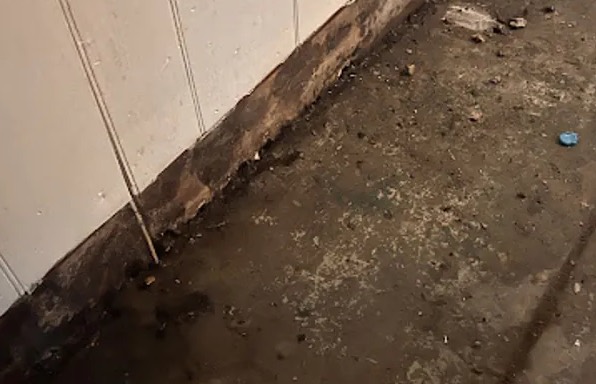
Professional Contaminated Water Removal in Denver, CO
A sewer backup in a Denver home usually shows up at the lowest drain first: a floor drain, shower or ground-floor toilet. Several drains backing up at once points to the main line.
Homes and businesses in Denver and nearby Whittier, Lowry and Stapleton deal with sewer backups, appliance drain leaks and floodwater. Help with contaminated water removal covers containment, extraction, removal and disinfection.
Contaminated Water Removal Services in Denver
Contaminated Carpet Removal
The subfloor under removed carpet is cleaned, disinfected and dried before new flooring goes down.
Toxic Spill Water Removal
Water mixed with household chemicals, fuel or oil is handled with protective gear and removed without spreading it further.
Sewage Water Cleanup
Water carrying waste or other biological contamination is extracted with full protective gear, and the area is cleaned in a contained zone.
Emergency Water Mitigation
Help is available any hour, because contaminated water spreads bacteria and odor into more materials the longer it sits.
Black Water Extraction
Black water extraction starts with containment, so contamination is not tracked through the house during cleanup.
Indicators You Require Emergency Contaminated Water Removal
Foul Odors From Standing Water
Standing water with a foul or sewage smell is contaminated and should not be touched without protection.
Water From an Unknown Source
Water you cannot trace to a clean supply line should be treated as contaminated until checked.
Black Water After Heavy Rains
Water that flowed in from outside after heavy rain carries soil and contaminants and is treated as black water.
Discolored Water in Basement
Dark or cloudy water in a basement often carries soil, sewage or debris from outside.
How Contaminated Water Removal Works in Denver
Step 1: Emergency Assessment and Containment
Water use is stopped, power is made safe and the area is sealed off with plastic sheeting.
Step 2: Contaminated Water Extraction
Workers in protective gear extract the water and remove solids and debris.
Step 3: Deep Cleaning and Disinfection
Porous materials such as carpet and drywall are removed, and hard surfaces are scrubbed and disinfected.
Step 4: Drying and Moisture Control
Air movers, dehumidifiers and air scrubbers dry the structure, with readings taken daily.
Common Causes of Contaminated Water in Denver
Gray Water Source Overflow
Overflowing laundry tubs and sinks send gray water across floors and into nearby rooms.
Severe Sewer Line Blockages
Tree roots, grease and debris block sewer lines and push wastewater back into the home.
Plumbing System Failures
Cracked drain pipes and failed fittings leak wastewater into walls, floors and crawl spaces.
Landscape Irrigation Issues
Irrigation runoff carrying fertilizer and soil can seep into lower levels through walls.
Residential and Commercial Contaminated Water Removal in Denver
Residential Contaminated Water Removal
Homeowners need to know what can be saved. Hard furniture can often be cleaned, while mattresses, upholstery and carpet soaked by sewage are usually discarded.
Commercial Contaminated Water Removal
Property managers in multi-unit buildings often see backups that affect several units on a shared line. Each unit is cleaned and documented separately.
Hiring Local Pros vs. DIY Contaminated Water Removal in Denver County
Do not run fans or a household vacuum on contaminated water or wet materials. That spreads bacteria and odor through the house. Call (720) 902-6742 for safe extraction.
Cost Considerations for Contaminated Water Removal in Denver
The pros identify the water source and map the affected area before pricing contaminated water removal in Denver, then explain each step.
Water Source and Volume
A large volume of water, or water from several sources, adds pumping and cleanup time.
Contamination Category
Black water costs more to clean up than gray water, since more materials are removed and disinfected.
Required Drying Time
Drying after cleaning can take several days, and each day of equipment adds cost.
Does Insurance Cover Contaminated Water Removal?
Photos, removal lists, moisture readings and drying logs from local water extraction experts help support a contaminated water damage claim in Denver.
Selecting Local Pros in Denver for Your Contaminated Water Removal
Advanced Extraction Equipment
Pumps and extractors remove contaminated water quickly, with less contact and spread.
Containment and Sanitization
The area is sealed off and cleaned so contamination stays out of clean rooms.
Industry Standards
Cleanup follows industry standards for gray and black water, including removal of porous materials.
Emergency Contaminated Water Removal Response for Denver, CO
The sooner contaminated water is removed, the less has to be thrown away. Call (720) 902-6742 for contaminated water removal in Denver, day or night.
Call Now (720) 902-6742Local Contaminated Water Removal Areas Including Denver
Other places served are listed below, each with its own page.
- Contaminated Water Removal in Lowry
- Contaminated Water Removal in Stapleton
- Contaminated Water Removal in Wheat Ridge
- Contaminated Water Removal in Central Park
- Contaminated Water Removal in Brighton
- Contaminated Water Removal in Berthoud
- Contaminated Water Removal in Lakewood
- Contaminated Water Removal in Commerce City
Frequently Asked Questions About Contaminated Water Removal
What should be done while waiting for contaminated water removal?
Stop water use, keep people and pets away, shut off power to wet areas if safe and take photos.
What is involved in sewage backup cleanup?
Containing the area, extracting the sewage, removing soaked carpet and drywall, disinfecting surfaces and drying.
How quickly should black water removal begin?
Right away. Black water spreads bacteria and odor into materials the longer it sits, increasing what must be removed.
When is sewage water cleanup required?
Whenever water carries sewage or other waste, including toilet overflows with waste and sewer backups.
Why is immediate action critical for contaminated water?
Contamination spreads into more materials and rooms over time, raising the cost and the health risk.