Denver, CO · Denver County
Black Water Extraction (Category 3) in Denver, COBlack Water Drying & Sewage Backup Water Extraction
Black Water Extraction (Category 3) in Denver runs from sewage backup water extraction and contaminated carpet water extraction to black water drying.
Answered 24/7
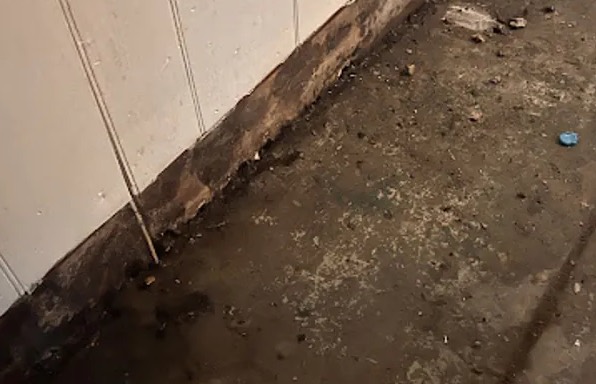
Black Water Extraction (Category 3) Response for Denver Residents
Floodwater from outside in Denver, whether from a storm sewer or rising water, picks up soil, chemicals and sewage on its way into a home. It is handled as Category 3.
In Denver, many black water calls start with a floor drain or toilet backing up. Local category 3 water removal experts serve Denver, Whittier, Lowry and Stapleton, containing the area and cleaning it safely.
Comprehensive Black Water Extraction (Category 3) Solutions in Denver
Black Water Drying
After cleaning and disinfection, air movers and dehumidifiers dry the structure, with readings taken daily until each area is normal.
Sewage Backup Water Extraction
Sewage that backs up through floor drains, toilets or tubs is extracted with protective gear, and the area is sealed off from clean rooms.
Contaminated Carpet Water Extraction
Carpet and pad that absorbed sewage or floodwater cannot be safely cleaned. They are cut out, bagged and removed from the home.
Toilet Overflow Water Removal
An overflowing toilet can soak the subfloor and the ceiling below. Both are checked, and contaminated drywall is removed and replaced.
Septic Tank Backup Cleanup
Septic water carries the same risks as sewage, so it gets the same protective gear, removal and disinfection steps.
Signs of Black Water Contamination in Denver Homes
Septic Tank Backup in Yard
Soggy ground, odors or sewage above the septic tank or drain field point to a septic failure.
Standing Water After Heavy Rain
Standing water after heavy rain that came from outside should be treated as contaminated.
Toilet Overflow Spreading Water
Toilet water spreading across the bathroom floor is treated as contaminated, even if it looks clear.
Storm Drain Water in Garage
Water that flowed into the garage from the street or storm drain carries soil and contaminants.
How Black Water Extraction (Category 3) Works in Denver
Step 1: Site Safety Containment
Plastic sheeting seals the work area, and air pressure is controlled to keep odors in.
Step 2: Sewage Removal and Extraction
Wastewater is pumped and extracted, and contaminated carpet, pad and drywall are bagged.
Step 3: Cleaning and Disinfection
Remaining framing, concrete and hard surfaces are scrubbed clean and then disinfected.
Step 4: Moisture Mapping and Documentation
Readings are taken across the area, and photos and logs are kept for insurance.
What Causes Black Water Contamination in Denver
Toilet Clog or Malfunction
A clogged toilet overflows onto the floor and can soak through to the room below.
Severe Storm or Flooding
Heavy storms and flooding push contaminated surface water into basements and ground floors.
Sump Pump Failure
A sump pump failure during a storm can let contaminated groundwater fill the basement.
Sewer Main Line Blockage
Tree roots, grease and debris block the main sewer line and push wastewater back into the home.
Black Water Extraction (Category 3) for All Property Types in Denver
Residential Black Water Extraction (Category 3)
In homes, black water usually comes from a sewer backup, septic overflow or toilet. The affected rooms are contained, cleaned, disinfected and dried, and the family is told which rooms to avoid.
Commercial Black Water Extraction (Category 3)
In restaurants, offices and stores, a sewage backup can close the business. Contained cleanup and disinfection are planned to reopen safely as soon as possible.
Handling Black Water: DIY Risks and When to Call the Pros
Bleach on a sewage spill can create fumes and does not clean porous materials. Contaminated carpet and drywall need to be removed, not just sprayed.
Black Water Extraction (Category 3) Cost in Denver, CO
The cost of black water extraction (category 3) in Denver depends on how far the contaminated water spread, what materials it touched and how much must be removed.
Required Drying Time
Drying after cleanup can take several days, and each day adds equipment time.
Documentation Needs
Detailed documentation for insurance adds some time to the job but supports the claim.
Secondary Damage
Damage to the room below, furnaces or belongings adds repair and replacement costs.
Does Insurance Cover Black Water Extraction (Category 3)?
Outside floodwater is usually covered only by flood insurance, not a standard homeowner policy. Ask your agent which policy applies.
Benefits of Local Pros for Black Water Extraction (Category 3) in Denver
Advanced Extraction Equipment
Pumps and extractors remove contaminated water quickly with less contact and spread.
Drying Process
Drying starts only after cleaning and disinfection, so contamination is not left in place.
Septic Backup Experience
Septic backups are handled like sewage, with the cause noted for a septic contractor.
24/7 Emergency Black Water Extraction (Category 3) in Denver
Night, weekend or holiday, the experts handle sewage backups in Denver. Call (720) 902-6742 to get the contaminated water out safely.
Call Now (720) 902-6742Black Water Extraction (Category 3) in Denver and Other Areas Served
Each place listed below has its own page with local details.
- Black Water Extraction (Category 3) in Lowry
- Black Water Extraction (Category 3) in Stapleton
- Black Water Extraction (Category 3) in Wheat Ridge
- Black Water Extraction (Category 3) in Central Park
- Black Water Extraction (Category 3) in Brighton
- Black Water Extraction (Category 3) in Berthoud
- Black Water Extraction (Category 3) in Lakewood
- Black Water Extraction (Category 3) in Commerce City
Frequently Asked Questions About Black Water Extraction (Category 3)
What areas need black water sanitization?
Every surface the water touched, including floors, lower walls, framing, cabinets and anything kept from the affected rooms.
Is toilet overflow water considered black water?
Water from a toilet with waste is Category 3. Even clear toilet water is usually handled as contaminated.
How long does category 3 water restoration take?
Cleanup and removal often take a day or two, and drying usually takes several more days.
What safety measures are used during extraction?
Protective gear, plastic containment, controlled air pressure and air scrubbers to keep contamination in the work area.
Why is quick action critical for black water?
Contamination spreads into more materials over time, which increases what must be removed and the health risk.