Boulder, CO · Boulder County
Attic Water Damage in Boulder, COAttic Drying Services & Ceiling Water Damage Cleanup
Attic Water Damage in Boulder includes roof leak water removal, ceiling water damage cleanup and attic moisture inspection.
Answered 24/7
Professional Attic Water Damage in Boulder, CO
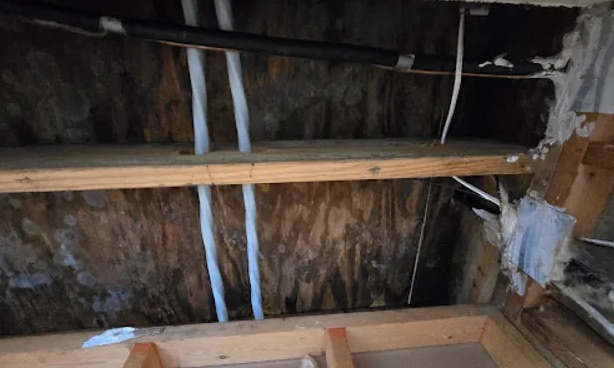
Attic Water Damage in Boulder usually involves two spaces: the attic and the room below it. Water does not stop at the attic floor; it soaks into the ceiling drywall and sometimes the walls.
Homes in Boulder and nearby Goss Grove, University Hill and Boulder Junction see attic leaks from roof damage, AC drain pans in the attic and bathroom vent ducts. Help with attic water damage covers water removal, insulation removal and drying of the attic and the ceiling below.
The Attic Water Damage Process in Boulder, CO
Attic Drying Services
Air movers and dehumidifiers dry rafters, joists and roof decking. Attic heat speeds drying in summer, while cooler months need more dehumidification.
Ceiling Water Damage Cleanup
A ceiling stained or soaked from an attic leak is drained safely, and sagging drywall is cut out before it falls into the room.
Emergency Attic Water Extraction
Help is available any hour when water is pouring into the attic during a storm or from a burst pipe, before it soaks through the ceiling.
Roof Leak Water Removal
A roof leak often drips in one spot but spreads along rafters and decking. The pros follow the water path to find every wet area.
Wet Attic Insulation Removal
Insulation that stayed wet for days is removed rather than dried, since it rarely recovers and keeps the ceiling drywall damp.
Signs of Attic Water Damage in Boulder Homes
Active Leak During Rain
Water dripping into the attic during rain shows an active roof leak that needs fixing and drying.
Dripping Sounds From Ceiling
Dripping or tapping sounds above the ceiling, especially during rain, mean water is getting in.
Wet or Sagging Insulation
Insulation that looks matted, dark or compressed, or sags between joists, has absorbed water.
Water Stains on Ceiling
Brown rings or yellow spots on an upstairs ceiling usually mean water is sitting on the drywall from above.
How Attic Water Damage Works in Boulder
Step 1: Source Stop and Water Extraction
A tarp is placed over roof damage or the pipe is shut off, and water in the attic is removed.
Step 2: Removal of Damaged Materials
Ruined insulation and sagging ceiling drywall are removed to stop further damage and open the area to air.
Step 3: Attic Drying
Dehumidifiers and air movers run until wood framing and decking return to normal moisture levels.
Step 4: Cleaning and Odor Removal
Debris is cleared, dust is cleaned from the room below, and musty odors are addressed.
Why Attics Get Water Damage in Boulder
Roof Leaks and Damaged Shingles
Missing, cracked or lifted shingles let rain reach the roof deck and drip into the attic.
Attic Appliance Leaks
AC air handlers in the attic overflow when the condensate line clogs or the pan cracks.
Improperly Sealed Roof Penetrations
Gaps around vents, pipes and antennas that pass through the roof let water in when seals fail.
Storm Damage From Wind or Hail
Wind and hail can tear shingles or puncture the roof, letting rain in during the storm.
Home and Business Attic Water Damage Services
Residential Attic Water Damage
At home, attic leaks usually show up as a stain on a bedroom or hallway ceiling. The attic is dried, wet insulation removed and the ceiling below repaired or dried in place.
Commercial Attic Water Damage
In commercial buildings, water above a drop ceiling can soak tiles, wiring and insulation across several rooms. Affected tiles are removed and the space above them is dried.
Why DIY Attic Water Damage Often Fails in Boulder
Never step between attic joists, since the ceiling drywall will not hold your weight. If water is pooling up there, call (720) 902-6742 instead of trying to reach it yourself.
Cost Considerations for Attic Water Damage Work
The cost of attic water damage in Boulder depends on how much of the attic got wet, whether insulation and ceiling drywall must come out, and how long drying takes.
Affected Attic Materials
Wet insulation, decking and ceiling drywall that must be removed add labor and disposal costs.
Extent of Water Intrusion
A small leak at one spot costs less to dry than water spread across the attic and the rooms below.
Type of Water Involved
Clean rainwater is simpler to handle than water from a drain or a contaminated source.
Does Insurance Cover Attic Water Damage?
Coverage for attic water damage depends on the cause of the leak and your policy terms. The pros document the damage and drying, and your insurer decides what is covered.
Advantages of Hiring Local Pros for Attic Water Damage
Wet Insulation Handling
Wet insulation is bagged and removed carefully, keeping debris out of the living space.
Ceiling Damage Mitigation
Sagging ceiling drywall is drained and removed safely before it can fall.
Mold Prevention Focus
Fast drying of wood framing is the main way to limit microbial growth after a leak.
24/7 Emergency Attic Water Damage in Boulder
If water is coming through a light fixture, turn off that circuit at the panel and keep clear. Then call (720) 902-6742 for help in Boulder.
Call Now (720) 902-6742Attic Water Damage Near Boulder: Areas Served
Need attic water damage outside Boulder? Service also covers Goss Grove, University Hill and Boulder Junction, including emergency help during storms.
Frequently Asked Attic Water Damage Questions
Does a roof leak always cause attic mold growth?
No. Mold is more likely when wood and insulation stay wet for days, so drying is the main way to prevent it.
What is involved in emergency attic water extraction?
Catching active drips, removing pooled water from decking and drywall tops, and starting drying before the ceiling below is ruined.
Is attic mold prevention always needed after water damage?
Fast drying is always needed. Antimicrobial treatment is added when wood stayed wet long enough to need it.
What are common signs of poor attic ventilation?
Damp or dark roof decking, rusted nails, musty smells and condensation on the underside of the roof.
Should I remove belongings from my attic after water damage?
Yes, if it is safe. Wet boxes and items should be moved out so they can dry and the attic can be worked on.