Littleton, CO · Arapahoe County
Attic Water Damage Restoration in Littleton, COCeiling Water Damage Cleanup & Wet Attic Insulation Removal
Attic Water Damage Restoration in Littleton runs from roof leak water removal and attic leak water cleanup to attic drying services.
Answered 24/7
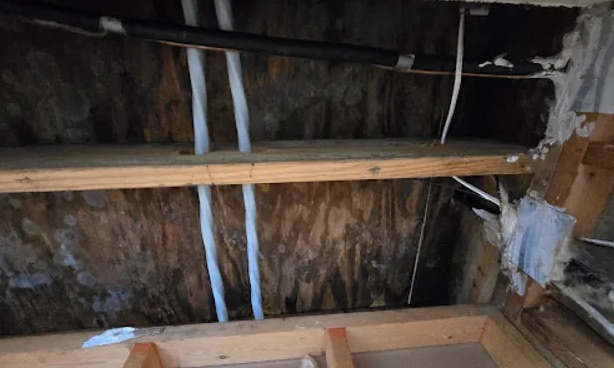
Local Attic Water Damage Restoration for Littleton Homes
After a storm in Littleton, water can come into the attic through lifted shingles, damaged vents or a hole from a fallen limb. Getting it out quickly keeps the ceiling below intact.
Homes in Littleton and nearby Englewood, Columbine and Greenwood Village see attic leaks from roof damage, AC drain pans in the attic and bathroom vent ducts. Help with attic water damage restoration covers water removal, insulation removal and drying of the attic and the ceiling below.
Detailed Attic Water Damage Restoration Solutions
Ceiling Water Damage Cleanup
Damaged ceiling drywall below the attic is removed, the cavity is dried, and the ceiling is ready for patching once readings are normal.
Wet Attic Insulation Removal
Blown-in insulation that got wet clumps and packs down. It is vacuumed out of the affected area and replaced after the attic is dry.
Attic Mold Prevention
After drying, an antimicrobial can be applied to roof decking and framing that were wet, to slow mold on surfaces that stay in place.
Roof Leak Water Removal
Rain that came through damaged shingles, flashing or vents is removed from the attic, and the leak location is marked for the roofer.
Emergency Attic Water Extraction
Help is available any hour when water is pouring into the attic during a storm or from a burst pipe, before it soaks through the ceiling.
Indicators for Emergency Attic Water Removal
Crumbling Drywall Tape
Ceiling drywall tape that bubbles, cracks or peels usually means water is soaking the seams.
Visible Mold in Attic
Dark spots on roof decking or rafters mean the wood has stayed damp for some time.
Peeling Paint or Wallpaper
Paint that bubbles or peels on upstairs ceilings and walls often has water behind it.
Wet or Sagging Insulation
Insulation that looks matted, dark or compressed, or sags between joists, has absorbed water.
How Attic Water Damage Restoration Works in Littleton
Step 1: First Call and Inspection
The pros check the attic and ceiling, take photos and note where the water entered the attic.
Step 2: Bulk Water and Debris Removal
Standing water, wet insulation and fallen drywall are removed from the attic and room below.
Step 3: Drying and Monitoring
Readings are taken daily, and equipment is adjusted until every wet material is dry.
Step 4: Detailed Reporting for Insurance
A summary of the damage, the materials removed and the drying results is prepared for your claim.
Common Causes of Attic Leaks in Littleton
Roof Leaks and Damaged Shingles
Missing, cracked or lifted shingles let rain reach the roof deck and drip into the attic.
Overflow From Bathroom Exhaust Fans
Bathroom fans that vent into the attic, or have disconnected ducts, release moisture onto the decking.
Failing Roof Valley or Flashing
Worn flashing around valleys, chimneys and skylights lets water run into the attic.
Improperly Sealed Roof Penetrations
Gaps around vents, pipes and antennas that pass through the roof let water in when seals fail.
Home and Business Attic Water Damage Restoration Services
Residential Attic Water Damage Restoration
In two-story homes, an attic leak can affect both upstairs ceilings and the walls below them. Each wet area is checked with a meter and dried.
Commercial Attic Water Damage Restoration
Flat-roof commercial buildings often have leaks that travel before dripping. The pros trace the water path to find every wet section above the ceiling.
Why DIY Attic Water Damage Restoration Often Fails in Littleton
Putting a bucket under a drip and moving belongings is a good first step. Call local attic water damage pros if the ceiling is stained, sagging or wet, or if the attic insulation is soaked.
Cost Considerations for Attic Water Damage Restoration Work
Roof repair is a separate cost from water removal and drying. In Littleton, both are usually needed after a roof leak.
Ceiling Repair Needs
Replacing, taping and painting ceiling drywall after drying adds to the total.
Affected Attic Materials
Wet insulation, decking and ceiling drywall that must be removed add labor and disposal costs.
Size and Accessibility
Low, tight attics take longer to work in than tall attics with easy access.
Does Insurance Cover Attic Water Damage Restoration?
Photos, moisture readings and drying logs from local attic water damage pros help support an insurance claim for attic water damage in Littleton. Keep copies of everything.
Selecting Local Pros for Attic Water Damage Restoration in Littleton, CO
Detailed Documentation
Photos, readings and drying logs are kept to support your insurance claim.
Industry Drying Standards
Drying follows industry water damage standards, with readings taken at each visit.
Roof Leak Location
The leak point is marked and photographed so the roofer can fix the right spot.
Urgent Attic Water Damage Restoration Help Day or Night
Storm, night or holiday, the pros handle attic leaks in Littleton. Call (720) 902-6742 to get the water out and drying started.
Call Now (720) 902-6742Local Attic Water Damage Restoration Coverage Area
The places below are also served, and each one has its own page.
- Attic Water Damage Restoration in Englewood
- Attic Water Damage Restoration in Columbine
- Attic Water Damage Restoration in Greenwood Village
- Attic Water Damage Restoration in Highlands Ranch
- Attic Water Damage Restoration in Ken Caryl
- Attic Water Damage Restoration in Johnstown
- Attic Water Damage Restoration in Aurora
- Attic Water Damage Restoration in Loveland
Attic Water Damage Restoration FAQs
How long does the attic drying process take?
Often several days, depending on how wet the wood is, the attic temperature and how much insulation was removed.
What causes attic leaks besides storms?
Worn flashing, clogged gutters, attic AC overflows, plumbing leaks and bathroom fans venting into the attic.
Does a roof leak always cause attic mold growth?
No. Mold is more likely when wood and insulation stay wet for days, so drying is the main way to prevent it.
What is involved in emergency attic water extraction?
Catching active drips, removing pooled water from decking and drywall tops, and starting drying before the ceiling below is ruined.
What is structural drying for an attic?
Drying the rafters, joists and roof decking with directed airflow and dehumidifiers until moisture readings return to normal.